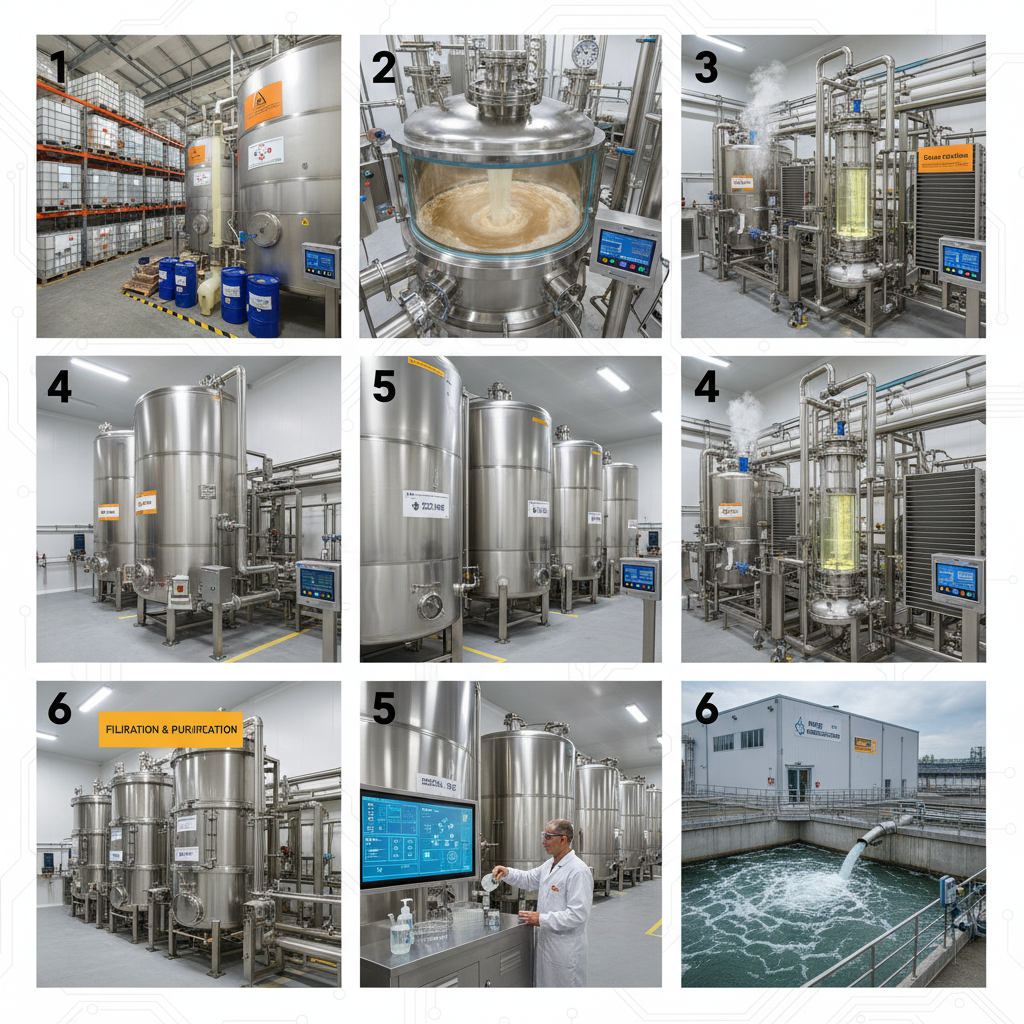
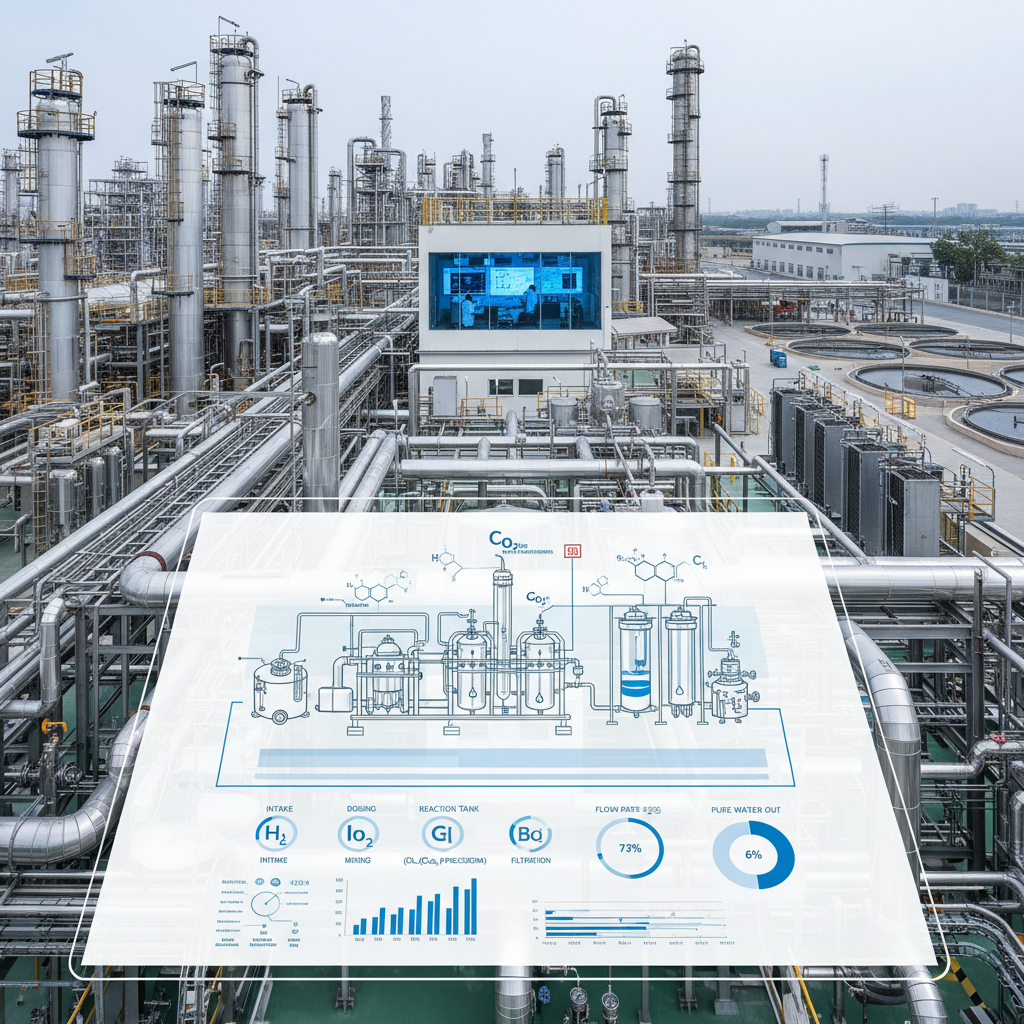
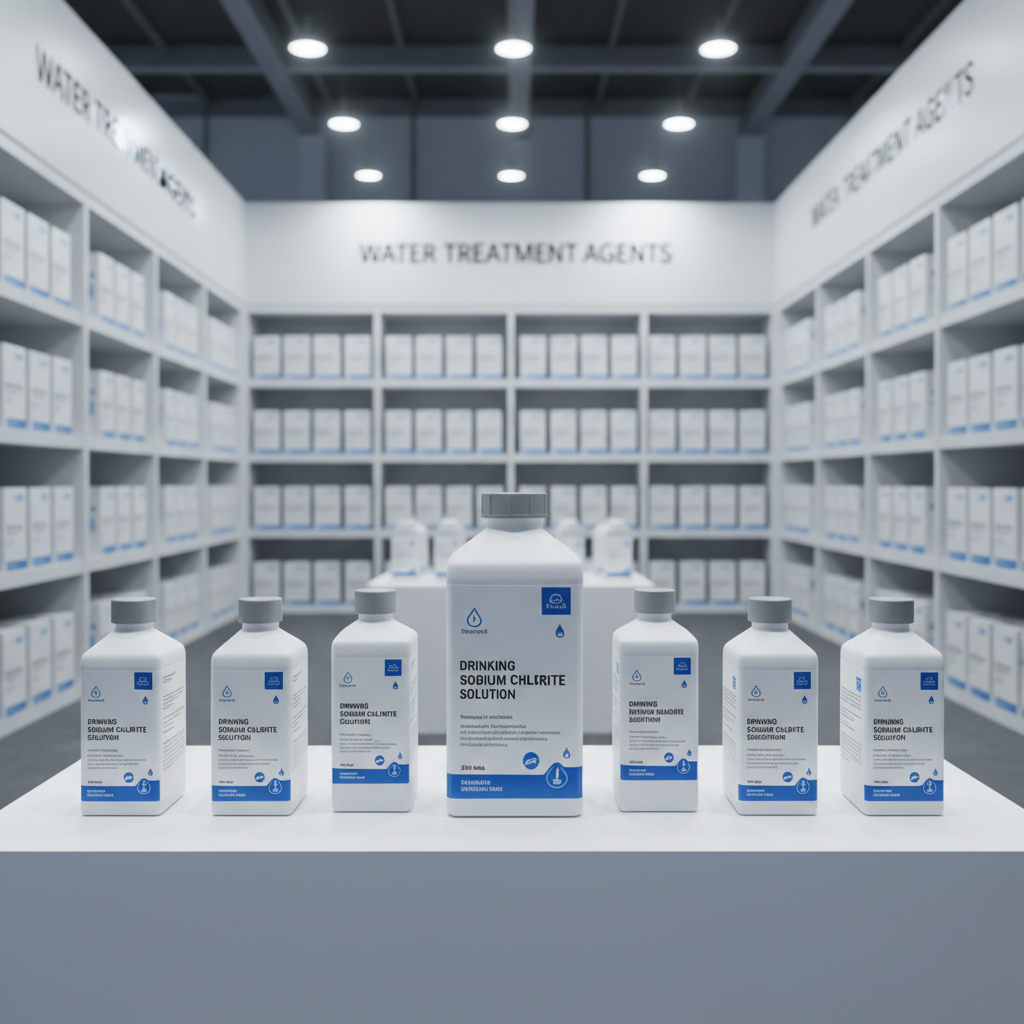
Access to clean water remains one of the most critical global challenges of the 21st century, driving the demand for high-efficiency chemical agents. Among the various options, sodium chlorite water purification has emerged as a powerful solution for eliminating a wide spectrum of waterborne pathogens and organic contaminants. By generating chlorine dioxide, this process ensures that water is not only clear but biologically safe for human consumption and industrial use.
The global impact of implementing advanced oxidation processes is profound, particularly in regions where traditional chlorination falls short due to the presence of resistant cysts or biofilm. The adoption of sodium chlorite water purification techniques allows for more precise control over residual disinfectants, reducing the formation of harmful trihalomethanes (THMs) which are often associated with standard bleach treatments.
Understanding the chemistry and application of this method is essential for municipal engineers, environmental scientists, and industrial operators. From ensuring the sterility of cooling towers to providing potable water in disaster-stricken zones, the versatility of this chemical approach offers a scalable and reliable path toward global water security and public health preservation.
Global Relevance of Sodium Chlorite Water Purification
On a global scale, the scarcity of potable water is exacerbated by the contamination of groundwater and surface sources. According to data aligned with WHO and UN standards, millions of people still lack access to safely managed drinking water. The implementation of sodium chlorite water purification addresses this crisis by providing a potent oxidizing agent capable of neutralizing bacteria, viruses, and protozoa more effectively than traditional methods in high-organic-load environments.
The industrial relevance extends beyond simple drinking water. In the chemical manufacturing and food processing sectors, maintaining sterile water loops is critical for product quality and safety. By utilizing sodium chlorite as a precursor to chlorine dioxide, industries can achieve a high level of disinfection without leaving the pungent taste or hazardous by-products typically found in heavy chlorine-based systems.
Defining the Mechanism of Sodium Chlorite Disinfection
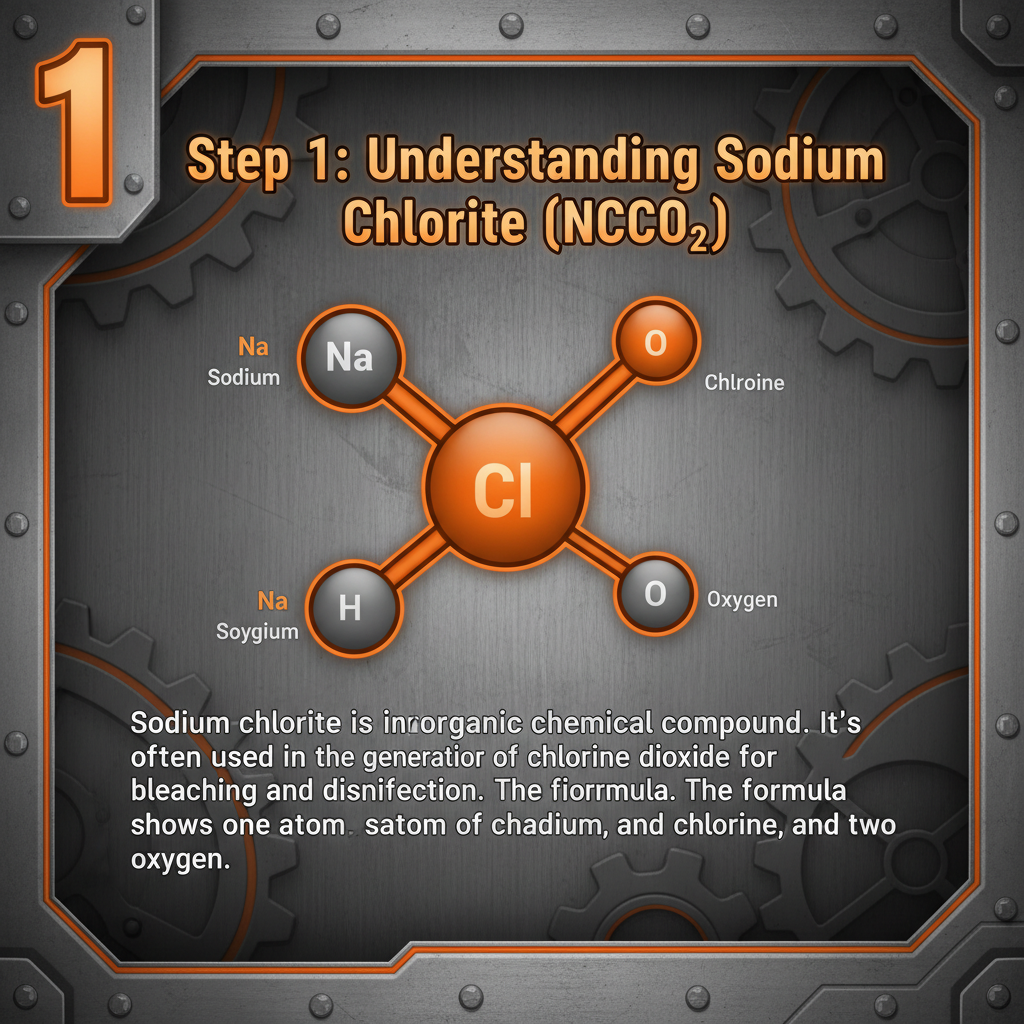
In simple terms, sodium chlorite water purification is a chemical process where sodium chlorite (NaClO2) is activated—usually by an acid or a catalyst—to produce chlorine dioxide (ClO2). Unlike elemental chlorine, which substitutes atoms within organic molecules, chlorine dioxide is a pure oxidizer. It "steals" electrons from the cell walls of microorganisms, effectively rupturing their membranes and rendering them inactive without creating significant amounts of chlorinated organic compounds.
This distinction is vital for modern humanitarian needs, especially in emergency response. In post-disaster scenarios where water sources are heavily contaminated with sewage or agricultural runoff, the ability to rapidly deploy a system that targets a broad spectrum of pathogens without requiring complex infrastructure is lifesaving. The chemistry is stable enough for transport but reactive enough for immediate results upon activation.
From a technical standpoint, this process is highly selective. It targets specific amino acids and proteins in the microbial cell wall. This selectivity ensures that the purification process is efficient, requiring lower dosages compared to traditional bleach to achieve the same logarithmic reduction in bacterial counts, making it a preferred choice for high-standard water treatment facilities.
Core Components for Effective Water Treatment
The success of sodium chlorite water purification depends on several key factors. First is Concentration Control, which ensures that the amount of chemical added is sufficient to kill pathogens but remains within safe regulatory limits for human consumption. Precise dosing pumps and real-time monitoring are essential to prevent over-treatment.
Another critical aspect is Activation Efficiency. Since sodium chlorite must be converted to chlorine dioxide to be fully effective, the choice of activator (such as citric acid or sodium bisulfite) and the pH of the source water play a decisive role. In acidic environments, the reaction occurs more rapidly, whereas in alkaline waters, specific catalysts may be required to maintain the purification rate of sodium chlorite water purification.
Finally, Contact Time (CT Value) and Scalability are the pillars of industrial application. The chemical must remain in contact with the water for a specific duration to ensure complete sterilization. Whether applied in a small-scale portable kit for hikers or a massive municipal treatment plant, the system must be scalable to handle varying flow rates without compromising the quality of the output.
Comparative Performance and Efficiency Metrics
When evaluating different disinfection strategies, the efficacy of sodium chlorite water purification stands out due to its ability to penetrate biofilms. Biofilms are slimy layers of bacteria that protect pathogens from standard chlorine; however, the chlorine dioxide produced from sodium chlorite can penetrate these layers, ensuring a deeper and more thorough clean.
This efficiency is not just about biological kill rates but also about cost-effectiveness. Because it is more potent per gram against specific resistant strains like Cryptosporidium and Giardia, the overall chemical footprint is reduced, leading to lower logistics costs and simplified storage requirements for large-scale operations.
Efficiency Comparison of Sodium Chlorite Water Purification Methods
Real-World Applications in Diverse Sectors
In the realm of industrial water treatment, sodium chlorite water purification is extensively used in cooling towers and boilers to prevent the growth of Legionella and other slime-forming bacteria. This not only protects the health of facility workers but also prevents corrosion and scaling, thereby extending the lifespan of expensive machinery and reducing energy consumption.
Beyond heavy industry, this technology is a cornerstone of remote area water supply. In mining camps or remote agricultural zones where city infrastructure is non-existent, portable sodium chlorite generators provide a reliable source of safe water. This ensures that workers maintain their health and productivity, reducing the risk of waterborne outbreaks that could shut down entire operations.
Long-term Value and Environmental Sustainability
The long-term value of sodium chlorite water purification lies in its superior environmental profile. Traditional chlorination often leads to the production of Haloacetic Acids (HAAs), which are persistent in the environment and potentially carcinogenic. Sodium chlorite, by producing chlorine dioxide, avoids these specific pathways, making the treated water safer for discharge back into natural ecosystems.
From a social perspective, the reliability of this method fosters trust in public utility systems. When communities know their water is treated with a technology that eliminates a wider array of pathogens without compromising taste or smell, there is a higher adoption rate of treated water over unsafe "natural" sources. This shift in behavior is fundamental to improving global health outcomes.
Furthermore, the economic sustainability is evident in the reduced need for secondary filtration. Because the oxidation process is so thorough, the downstream requirements for activated carbon or reverse osmosis to remove "chlorine taste" are often diminished, lowering the overall operational expenditure (OPEX) for water treatment plants.
Future Innovations in Chemical Purification
The future of sodium chlorite water purification is trending toward automation and digitalization. We are seeing the integration of IoT-enabled sensors that can detect microbial spikes in real-time and automatically adjust the sodium chlorite dosing rate. This "smart purification" minimizes chemical waste and ensures a constant level of safety without manual intervention.
Moreover, research is focusing on "green catalysts"—biodegradable organic acids that can activate sodium chlorite more efficiently and with zero environmental residue. This evolution aligns the chemical industry with the global push toward circular economies and green chemistry, ensuring that water purification does not come at the cost of ecological health.
As we move toward 2030, the convergence of nanotechnology and chemical disinfection may lead to the development of slow-release sodium chlorite membranes. These would allow for the continuous, steady purification of water in pipes without the need for large storage tanks, revolutionizing how we distribute safe water in urban environments.
Analysis of Sodium Chlorite Purification Integration Metrics
| Application Sector |
Disinfection Speed |
Environmental Impact |
Relative Cost |
| Municipal Drinking Water |
High |
Low By-products |
Moderate |
| Industrial Cooling Towers |
Very High |
Minimal |
Low |
| Emergency Relief Kits |
Moderate |
Negligible |
Low |
| Food & Beverage Plants |
High |
Food Grade |
Moderate |
| Mining Water Loops |
Moderate |
Managed |
Low |
| Agricultural Irrigation |
High |
Low Residual |
Moderate |
FAQS
Unlike bleach (sodium hypochlorite), which reacts with organic matter to form potentially harmful trihalomethanes, sodium chlorite is typically used to generate chlorine dioxide. Chlorine dioxide is a more selective oxidizer that kills a wider range of pathogens, including cysts like Giardia, without creating the same hazardous by-products or leaving a strong "swimming pool" smell in the water.
Yes, when used correctly and according to regulatory guidelines (such as EPA or WHO standards), the resulting chlorine dioxide levels are safe for human consumption. The key is proper dosing and ensuring that any residual sodium chlorite is managed. It is widely used in municipal systems globally to provide safe, potable water.
While sodium chlorite is primarily designed for freshwater purification, it can be used for brackish water. However, the high salt content can affect the chemistry of the activation process. In such cases, adjusting the pH and using specific catalysts is recommended to maintain the efficiency of the disinfection process.
The "contact time" varies depending on the water temperature and the level of contamination. For most bacterial contaminants, the process is rapid, often working within 15 to 30 minutes. For more resistant protozoa, a longer contact time (up to 4 hours in some emergency kits) may be required to ensure total sterilization.
Sodium chlorite should be stored in a cool, dry, and well-ventilated area, away from direct sunlight and combustible materials. It must be kept in its original airtight containers to prevent degradation and accidental reaction with other chemicals. Proper labeling and safety protocols are essential for industrial storage.
Absolutely. Sodium chlorite is highly valued by NGOs due to its stability and ease of transport. Many humanitarian organizations implement sodium chlorite-based systems in remote villages or refugee camps because it requires minimal technical training to operate and provides a high level of biological safety quickly.
Conclusion
In summary, sodium chlorite water purification represents a sophisticated balance between chemical potency and environmental responsibility. By leveraging the power of chlorine dioxide, this method effectively eradicates a broad spectrum of waterborne threats while minimizing the creation of harmful disinfection by-products. From the precision required in industrial cooling loops to the urgency of emergency humanitarian relief, the scalability and reliability of this approach make it an indispensable tool in the global quest for clean water.
Looking forward, the integration of smart dosing technology and green catalysts will only enhance the viability of this purification method. As global water stress increases, investing in high-efficiency chemical solutions is no longer optional but a necessity for public health and industrial sustainability. For those seeking professional-grade chemical solutions to ensure water safety, we invite you to explore our comprehensive range of products. Visit our website: www.fizachem.com.cn