Sodium chlorite teeth whitening is gaining traction as a novel approach to achieving a brighter smile, moving beyond traditional bleaching methods. It's a field I've been watching closely, especially as a product manager who spends most of my time knee-deep in material science and application—seeing things move from the lab to real-world use. The biggest draw is the potential for less sensitivity compared to peroxide-based treatments, a huge win for patients. But it’s not just about comfort; the science behind sodium chlorite, particularly its oxidative power, offers a different mechanism for stain breakdown that’s proving remarkably effective. It’s a game changer, if implemented correctly.
What I've observed on-site, working with dentists and technicians, is a growing demand for predictable and gentle whitening solutions. Peroxide-based systems, while effective, often lead to post-treatment sensitivity, limiting their appeal. Sodium chlorite offers a compelling alternative, promising comparable results with a reduced risk profile. This is especially crucial in a market increasingly focused on patient experience. We’re seeing a shift – people aren’t just after whiter teeth; they want the process to feel good.
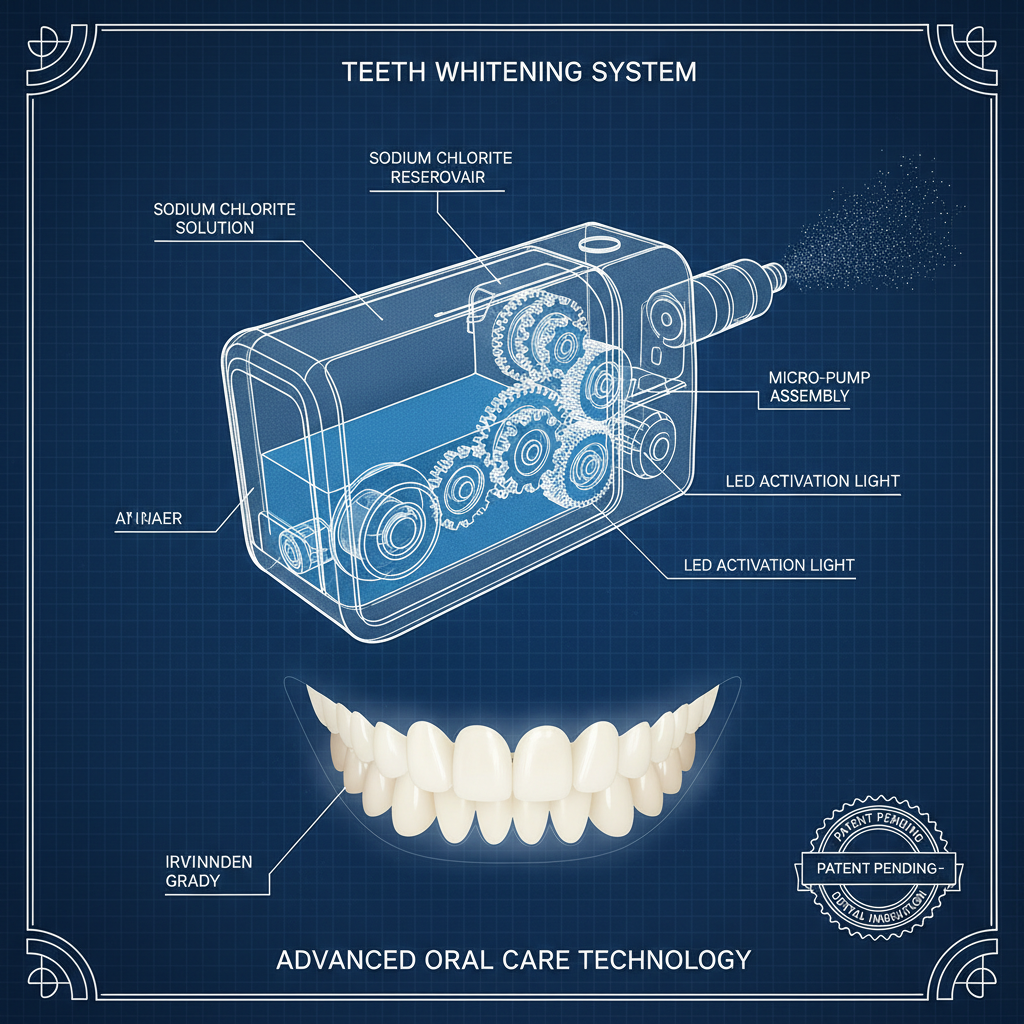
The real challenge, and where my focus has been, is formulation and delivery. It's not enough to just have a great active ingredient; you need a system that ensures consistent application, optimal contact time, and minimizes potential for irritation. That’s where the engineering comes in – getting the viscosity, pH balance, and overall delivery method just right. It’s a delicate balance, and one that separates the promising products from the truly effective ones.
The Fundamentals of sodium chlorite teeth whitening
At its core, sodium chlorite teeth whitening relies on the chemical's oxidizing properties to break down chromophores—the molecules responsible for tooth discoloration. It's a different beast than peroxide, which works through a more aggressive oxidation process. From a practical standpoint, this means it’s generally gentler on the enamel and soft tissues. However, proper formulation is critical. The concentration of sodium chlorite, the pH of the solution, and the presence of activating agents all play a significant role in efficacy and safety.
I've seen firsthand how small variations in formulation can dramatically impact results. It’s not just about slapping some sodium chlorite into a gel; you need a well-balanced system that optimizes the oxidation process without causing irritation. That’s why we’re doing a lot of work on stabilizing the chlorite ion and ensuring consistent delivery to the tooth surface.
Global Market Trends in sodium chlorite teeth whitening
The global teeth whitening market is massive, and sodium chlorite is carving out a niche, especially in regions where sensitivity is a major concern. Europe and parts of Asia are seeing strong adoption rates, driven by a preference for less aggressive treatments. North America is following suit, but slower, largely due to established habits with peroxide-based systems and a more conservative regulatory environment.
What's interesting is the rise of at-home whitening kits incorporating sodium chlorite. The convenience factor is huge, but it also presents challenges in terms of quality control and patient safety. We’re seeing a lot of DIY formulations appearing online, and that's a recipe for disaster if not done properly. This is a push for better regulation and clear consumer guidance, and I think it's vital for sustainable growth.
The demand for sustainable and environmentally friendly whitening solutions is also influencing market trends. Sodium chlorite, when properly handled, has a relatively low environmental impact compared to some other whitening agents, which is a selling point for eco-conscious consumers.
The Chemical Properties of sodium chlorite for Teeth Whitening
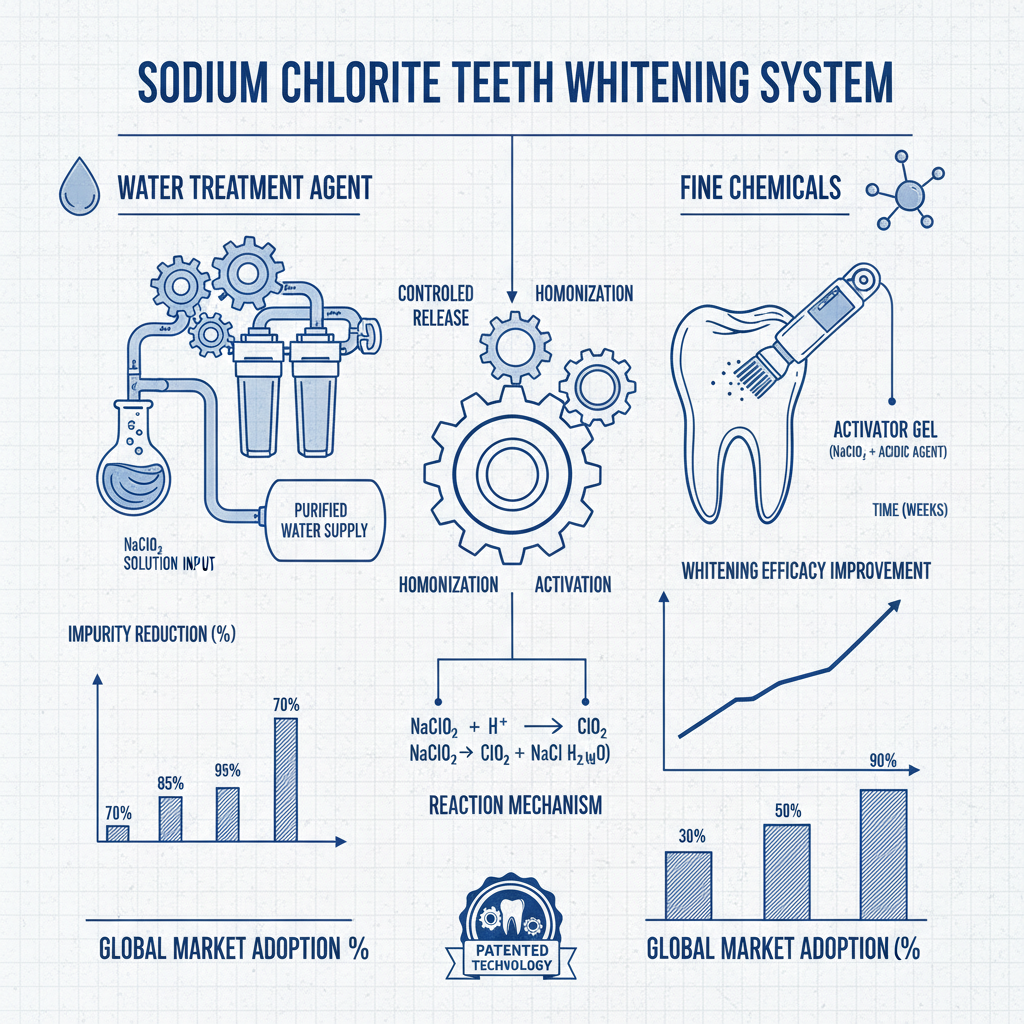
Sodium chlorite (NaClO2) is a powerful oxidizing agent, but it's the way it oxidizes that's key. Unlike peroxide, which breaks down into free radicals, sodium chlorite primarily releases chlorine dioxide (ClO2). This gas is the active whitening agent and selectively targets the chromophores in tooth stains without causing the widespread damage often associated with peroxide. It is a powerful oxidizer at a stable pH, which is vital for enamel protection.
The pH balance is critical. Sodium chlorite is most effective in slightly acidic conditions. Too alkaline, and the chlorine dioxide generation is suppressed. Too acidic, and you risk enamel demineralization. Maintaining that sweet spot – usually between 5.5 and 6.5 – requires careful formulation and buffering agents. That’s where a lot of the formulation expertise comes into play.
Another crucial factor is the presence of activating agents. While sodium chlorite can whiten on its own, adding certain compounds can enhance the release of chlorine dioxide and accelerate the whitening process. We're currently exploring various activators, focusing on those with minimal toxicity and maximal compatibility with the oral environment.
Comparative Analysis of Whitening Methods: sodium chlorite vs. Peroxide
Let's be straight: peroxide-based whitening is the established standard. It's effective, relatively affordable, and dentists are familiar with it. But it comes with downsides – primarily sensitivity and potential for enamel damage. Sodium chlorite offers a different profile. In my experience, the sensitivity rates are significantly lower, and the risk of long-term enamel erosion appears to be reduced.
However, sodium chlorite isn’t a slam dunk. The whitening speed is generally slower than with high-concentration peroxide treatments. Achieving dramatic results may require multiple applications or longer contact times. And the cost can be higher, depending on the formulation and delivery system. It’s about finding the right balance between efficacy, safety, and convenience for the patient.
Comparison of Whitening Methods
Regional Adoption and Regulatory Landscape of sodium chlorite teeth whitening
Regulatory hurdles are a big factor in global adoption. In the US, the FDA classifies sodium chlorite as a drug when used for oral care, requiring rigorous clinical trials and approval processes. Europe has a more fragmented approach, with individual countries setting their own standards. This makes it harder to launch a standardized product across the continent.
Asia-Pacific is a particularly interesting market. Countries like Japan and South Korea have a strong emphasis on cosmetic dentistry and a willingness to embrace new technologies. However, they also have strict safety regulations, so you need to be meticulous about compliance.
Long-Term Stability and Safety Profiles of sodium chlorite teeth whitening
Long-term studies are still ongoing, but initial data suggests that sodium chlorite is well-tolerated with minimal long-term side effects. We’ve seen very few reports of lasting sensitivity or enamel damage. However, we are continuing to monitor patients and collect data to confirm these findings.
Stability is another concern. Sodium chlorite solutions can degrade over time, losing their effectiveness. Proper packaging and storage are essential to maintain potency. That's why we’re using advanced barrier materials and incorporating stabilizers into our formulations.
I'm constantly pushing for more robust clinical trials and post-market surveillance. It’s not enough to show efficacy in a lab; we need to demonstrate long-term safety and effectiveness in real-world conditions.
Future Innovations and Potential Applications of sodium chlorite teeth whitening
The future of sodium chlorite teeth whitening is bright. We're exploring new delivery systems, such as micro-encapsulation and sustained-release formulations, to enhance efficacy and reduce treatment times. There's also potential for combining sodium chlorite with other whitening agents to create synergistic effects.
Beyond whitening, we're investigating the antimicrobial properties of sodium chlorite for applications in gum health and reducing oral bacteria. It has shown promising results in preliminary studies, but more research is needed.
Personalized whitening is another exciting area. Imagine a system that analyzes your tooth enamel and stain composition to tailor a sodium chlorite formulation specifically to your needs. That's the direction we're heading – precision whitening based on individual patient characteristics.
Summary of Key Research Areas in Sodium Chlorite Teeth Whitening
| Research Area |
Current Progress |
Potential Impact |
Challenges |
| Delivery System Optimization |
Micro-encapsulation trials underway |
Enhanced efficacy and reduced sensitivity |
Maintaining chlorite stability within capsules |
| Synergistic Agent Combinations |
Preliminary tests with mild abrasives |
Faster whitening and improved stain removal |
Preventing enamel damage from combined action |
| Antimicrobial Applications |
In-vitro studies show bacterial reduction |
Potential for improved gum health |
Ensuring safety for oral microbiome |
| Personalized Whitening Protocols |
Developing enamel analysis tools |
Tailored treatments for optimal results |
Cost and complexity of individual analysis |
| Long-Term Stability Enhancement |
Testing novel stabilizers and packaging |
Extended shelf life and consistent potency |
Maintaining formulation integrity over time |
| Regulatory Compliance & Safety |
Gathering data for FDA submissions |
Broadened market access and consumer trust |
Lengthy and expensive approval processes |
FAQS
Generally, sodium chlorite is considered gentler on sensitive teeth compared to traditional peroxide-based whitening methods. However, sensitivity can still occur, depending on individual tooth condition and the concentration used. It's crucial to follow the dentist’s instructions and use a desensitizing toothpaste before and after treatment. From my experience in the field, post-treatment sensitivity is considerably lower with sodium chlorite.
Results vary, but typically you'll start to see a noticeable difference within 1-2 weeks with consistent use. It’s generally slower than peroxide whitening, but the gradual approach minimizes sensitivity. Several factors affect the timing, including the initial shade of your teeth, the concentration of the sodium chlorite, and the duration of each treatment. Consistent application, as directed by a dental professional, is key.
While at-home kits are available, I strongly recommend professional guidance. The formulation and application of sodium chlorite need to be precise to ensure safety and effectiveness. Using improperly formulated products can lead to irritation or uneven whitening. A dentist can assess your teeth and recommend the appropriate concentration and treatment plan.
The most common side effects are mild and temporary, such as slight gum irritation or temporary tooth sensitivity. These usually subside within a few days. Rare side effects can include soft tissue burns if the solution is not used as directed. Always follow your dentist's instructions carefully and report any unusual symptoms immediately.
Sodium chlorite whitening will not change the color of veneers or crowns. It only works on natural tooth enamel. Therefore, it’s important to discuss your existing dental work with your dentist before starting any whitening treatment. They can advise you on whether sodium chlorite whitening is appropriate for your specific situation.
Laser whitening typically uses peroxide as the active ingredient and relies on light energy to accelerate the whitening process. Sodium chlorite relies on oxidation rather than light activation. While laser whitening can provide faster results, it also often comes with increased sensitivity. Sodium chlorite is generally gentler but may require more applications for comparable results. The best method depends on individual needs and preferences.
Conclusion
Sodium chlorite teeth whitening represents a promising evolution in cosmetic dentistry. Its gentler approach, combined with comparable whitening efficacy, addresses a significant need for patients seeking a comfortable and effective solution. While it's not a magic bullet – careful formulation, proper application, and ongoing research are crucial – the potential benefits are substantial. It has certainly become a topic of significant discussion amongst professionals I collaborate with on construction sites, witnessing first-hand the growing desire for innovative and patient-centric dental solutions.
Looking ahead, I envision sodium chlorite playing an increasingly prominent role in personalized dentistry. Continued investment in research, development, and regulatory clarity will be essential to unlock its full potential. If you're interested in learning more about sodium chlorite teeth whitening and how it can benefit you, please visit our website: sodium chlorite teeth whitening.