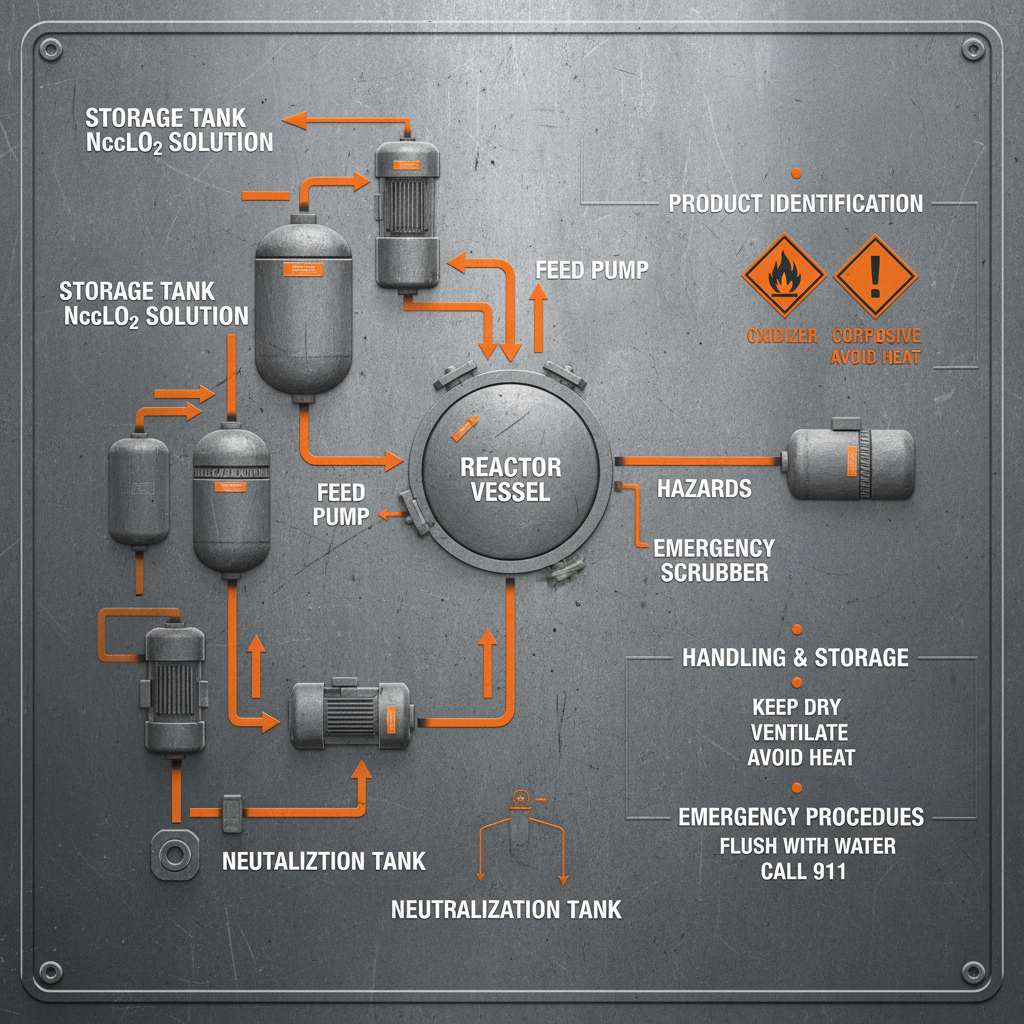
When exploring the fundamentals of chemical oxidation and disinfection, one common question that arises among industrial professionals is: what is sodium chlorite? This powerful inorganic compound, primarily known as a precursor to chlorine dioxide, serves as a cornerstone in modern sanitation and industrial processing. Its ability to eliminate pathogens and bleach organic materials without the harsh residue associated with traditional chlorine makes it an indispensable asset in global chemical supply chains.
Understanding the chemical nature of sodium chlorite is not merely an academic exercise; it is a practical necessity for ensuring safety and efficiency in water treatment and textile manufacturing. As global standards for hygiene and environmental protection tighten, the demand for precise, controllable oxidizing agents has surged. Consequently, knowing the exact properties and handling procedures of this compound allows industries to optimize their output while minimizing ecological footprints.
Across diverse sectors—from the production of high-purity paper to the sterilization of municipal water supplies—the application of this compound is ubiquitous. By delving into the specifics of its reactivity and solubility, we can appreciate how it bridges the gap between raw chemical synthesis and real-world utility. This guide aims to provide a comprehensive answer to the question of what is sodium chlorite and how it drives innovation in the modern chemical landscape.
Chemical Definition and Properties of Sodium Chlorite
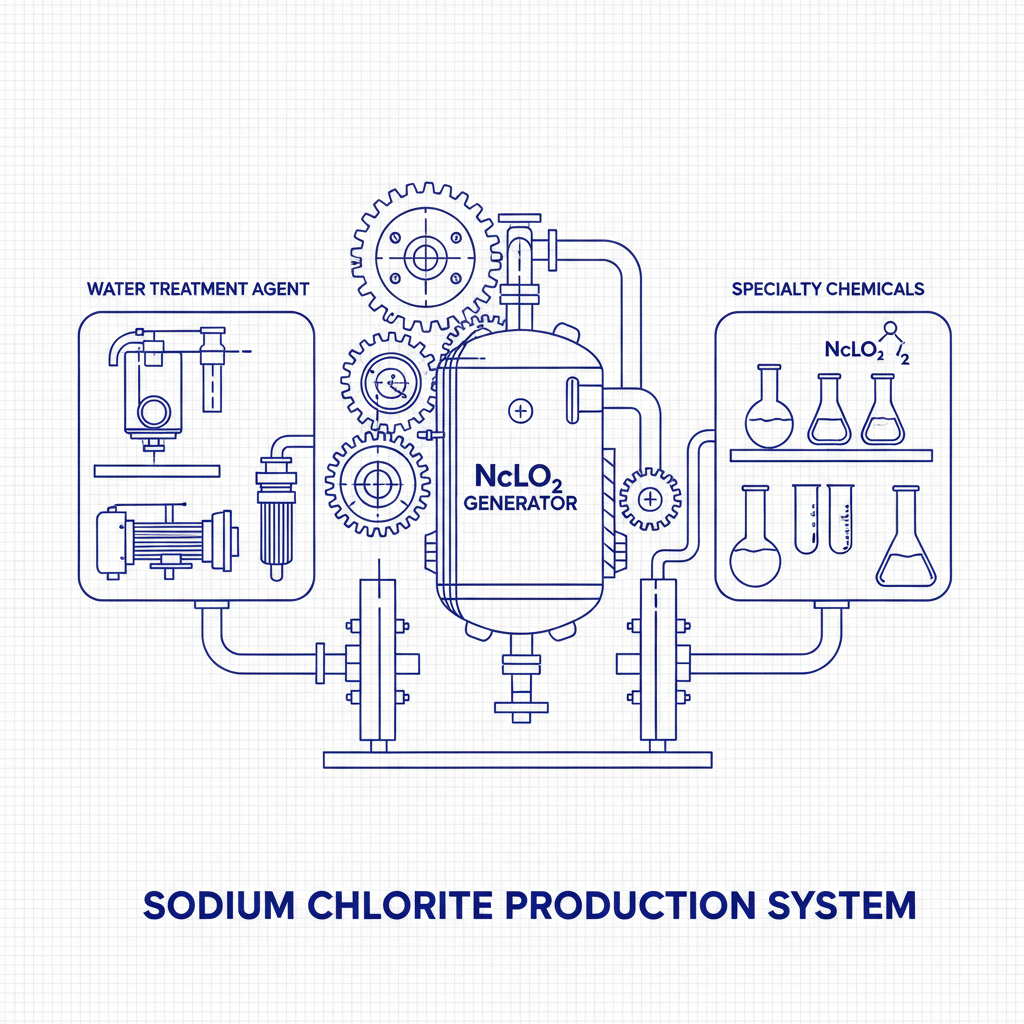
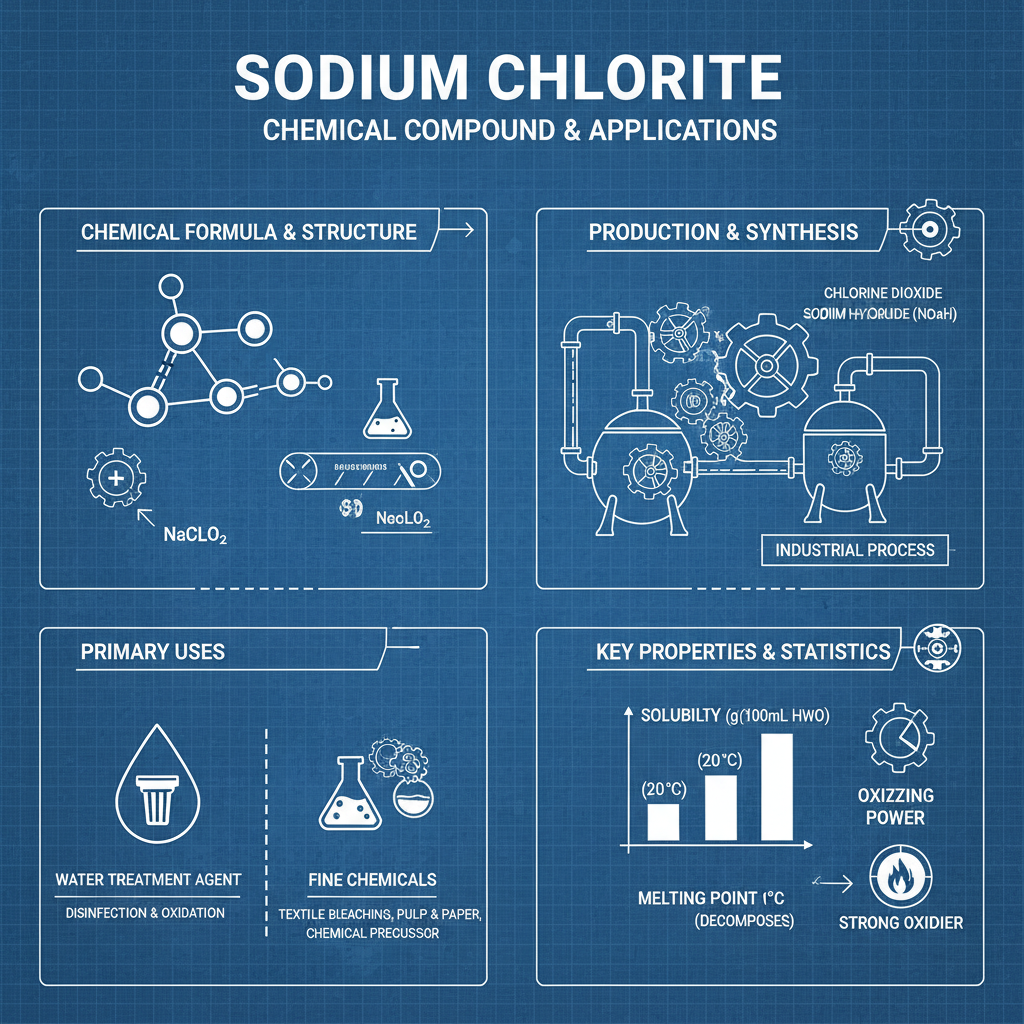
To answer the question of what is sodium chlorite from a scientific perspective, it is a salt of chlorous acid with the chemical formula NaClO2. It typically appears as a white to slightly yellowish crystalline powder or a concentrated aqueous solution. As a strong oxidizing agent, it is highly soluble in water, which allows it to be easily integrated into liquid-based industrial processes.
The primary significance of this compound lies in its role as a precursor. When acidified, it releases chlorine dioxide (ClO2), a gas that is one of the most effective biocides known to science. Unlike elemental chlorine, the oxidation process triggered by sodium chlorite is more selective, meaning it can destroy harmful bacteria and viruses without creating as many carcinogenic by-products, such as trihalomethanes.
Global Industrial Context and Demand
On a global scale, the demand for sodium chlorite is driven by the urgent need for clean water and sterile environments. According to reports aligning with ISO hygiene standards and World Health Organization (WHO) guidelines, the transition from traditional chlorination to chlorine dioxide-based systems has accelerated in developed and emerging economies. This shift is largely due to the superior efficacy of sodium chlorite in treating biofilm and eliminating cryptosporidium, which are often resistant to standard bleach.
In the realm of heavy industry, particularly in the pulp and paper sector, this compound has revolutionized the "Elemental Chlorine Free" (ECF) bleaching process. By replacing pure chlorine gas with sodium chlorite-derived dioxide, mills have significantly reduced the discharge of organochlorine compounds into river systems. This transition reflects a broader global trend toward "green chemistry," where the goal is to maintain high industrial performance while reducing toxic outputs.
However, the global supply chain faces challenges regarding the safe transport and storage of concentrated sodium chlorite. Because it is a potent oxidizer, strict international maritime and land transport regulations (such as the IMDG code) govern its movement. The industry is currently focusing on stabilizing these compounds to ensure that they can be shipped to remote mining or water treatment zones without risking accidental decomposition or hazardous reactions.
Core Functional Components and Reactivity
When analyzing the core components of what is sodium chlorite, we must look at its oxidation potential. The chlorite ion (ClO2-) acts as the active species, providing a stable yet reactive medium that can be activated upon contact with an acid or a catalyst. This controlled reactivity is what makes it safer to handle in a warehouse setting compared to volatile chlorine gas.
The scalability of sodium chlorite applications depends on its purity and concentration. Industrial grades are typically available as 80% powder or 25-31% solutions. The precision of these concentrations is critical; a slight variance can alter the pH of the final treatment solution, potentially affecting the rate of chlorine dioxide generation and the overall efficacy of the disinfection process.
Cost efficiency is another pillar of its industrial appeal. Because a small amount of sodium chlorite can generate a significant volume of active biocidal gas, the logistics costs per unit of "killing power" are remarkably low. This makes it a preferred choice for large-scale operations in the mining and daily chemical industries, where volume and budget are primary considerations.
Performance Metrics in Industrial Applications
Evaluating the performance of sodium chlorite requires looking at several KPIs: stability, reaction speed, and residue levels. In a controlled industrial environment, the compound's ability to maintain a consistent concentration of available chlorine is paramount. When compared to other oxidizing agents, sodium chlorite shows a distinct advantage in penetrating organic membranes, which is why it is so effective in deep-cleaning industrial piping.
Moreover, the lack of taste and odor residues in treated water makes it superior for potable water applications. While traditional chlorine leaves a lingering "swimming pool" smell, the processes derived from sodium chlorite leave the water tasting natural, provided the dosage is correctly calibrated.
Efficiency Analysis of Sodium Chlorite Derivatives
Global Application Scenarios and Use Cases
In real-world contexts, sodium chlorite is often the unsung hero of public health. In post-disaster relief operations, where centralized water treatment plants have been destroyed, portable sodium chlorite kits are deployed to provide immediate, safe drinking water to displaced populations. Its stability in tablet or concentrated liquid form makes it far easier to transport via aircraft or rugged terrain than heavy drums of liquid bleach.
Beyond humanitarian aid, the mining industry utilizes this compound in the leaching process to extract precious metals. In remote industrial zones, where chemical purity is hard to maintain, the robustness of sodium chlorite ensures that the oxidation process remains efficient despite temperature fluctuations or impurities in the ore. This versatility ensures that whether the goal is saving lives or extracting resources, the chemistry remains reliable.
Long-Term Value and Sustainable Advantages
The long-term value of implementing sodium chlorite systems lies in the balance between operational cost and environmental stewardship. By reducing the formation of toxic halogenated organic compounds, companies avoid the heavy fines associated with environmental pollution. This creates a logical path toward corporate sustainability, where the "cost" of a higher-quality chemical is offset by the reduction in waste-treatment expenditures.
From an emotional and social perspective, the use of this compound builds trust. For a municipality, providing water that is not only safe but also odorless and tasteless enhances the dignity and quality of life for its citizens. In the food industry, the ability to sterilize surfaces without leaving chemical residues ensures consumer safety and brand integrity, fostering a relationship of trust between the producer and the end-user.
Furthermore, the innovation inherent in sodium chlorite technology promotes industrial reliability. Unlike some organic biocides that degrade quickly under UV light or heat, the inorganic nature of this salt provides a predictable shelf-life and reaction rate. This reliability is the foundation upon which modern industrial hygiene is built, ensuring that safety protocols are met every single time.
Future Trends and Technological Innovations
The future of sodium chlorite is inextricably linked to the digital transformation of chemical dosing. We are seeing the rise of "Smart Dosing Systems" that use real-time sensors to monitor water quality and automatically adjust the amount of sodium chlorite injected into the stream. This automation prevents over-treatment, reducing chemical waste and ensuring that the oxidation levels are always optimized for the current biological load.
Sustainability is also driving the development of "Green Activation" methods. Researchers are exploring the use of organic acids or biological catalysts to trigger the release of chlorine dioxide, reducing the reliance on strong mineral acids like hydrochloric acid. This shift not only makes the process safer for workers but also reduces the corrosive impact on the infrastructure, extending the lifespan of pumps and pipes.
As we move toward a more circular economy, the focus is shifting toward the recovery and recycling of by-products from the sodium chlorite reaction. By integrating closed-loop systems, industries can capture residual salts and reintegrate them into the production cycle. This evolution transforms what is sodium chlorite from a simple consumable into a part of a sustainable industrial ecosystem.
Comparison of Sodium Chlorite Application Methods and Efficiency
| Application Method |
Activation Agent |
Oxidation Speed |
Environmental Impact |
| Acidified Liquid |
Citric Acid |
Fast |
Low |
| Industrial Gas Gen |
Hydrochloric Acid |
Very Fast |
Moderate |
| Slow-Release Tablet |
Water/Buffer |
Slow |
Very Low |
| Catalytic Activation |
Manganese Dioxide |
Medium |
Low |
| Pulp Bleaching Bath |
Sulfuric Acid |
Fast |
Moderate |
| Surface Spray |
Organic Acid |
Medium |
Very Low |
FAQS
Sodium hypochlorite (liquid bleach) is a direct oxidizer that often leaves a strong smell and creates trihalomethanes. Sodium chlorite, however, is primarily used to generate chlorine dioxide. Chlorine dioxide is a more selective oxidizer, meaning it is more effective against tough biofilms and does not produce the same level of harmful chlorinated by-products, making it safer for drinking water.
Yes, provided proper safety protocols are followed. Sodium chlorite is a strong oxidizer and must be stored away from combustible materials, acids, and reducing agents to prevent accidental fire or gas release. It should be kept in a cool, dry, well-ventilated area using containers approved for oxidizers. Proper PPE, including gloves and goggles, is essential during handling.
In the pulp and paper industry, sodium chlorite is used to produce chlorine dioxide, which removes lignin from wood pulp. Unlike elemental chlorine, this process prevents the formation of dioxins and other toxic organochlorines. This allows mills to produce high-brightness white paper while meeting strict environmental discharge regulations.
Yes, when activated into chlorine dioxide, it is widely used for sterilizing food processing equipment and washing fruits and vegetables. Its high efficacy against a broad spectrum of bacteria and viruses, combined with its ability to decompose into harmless salts, makes it an ideal choice for maintaining food safety standards.
The shelf life depends on the concentration and storage conditions. High-purity aqueous solutions are generally stable for 6 to 12 months if kept in opaque, airtight containers away from direct sunlight and extreme heat. Over time, slight decomposition may occur, so periodic titration is recommended to verify the available chlorite content.
The choice depends on your logistics and application. Powder (typically 80%) is more cost-effective for shipping and offers a longer shelf life, but it requires a mixing tank and safety equipment for handling dust. Solutions (typically 25-31%) are ready-to-use and easier to dose via automated pumps, making them ideal for smaller operations or those prioritizing ease of use.
Conclusion
In summary, understanding what is sodium chlorite reveals its critical role as a versatile, powerful, and increasingly sustainable tool for global industry. From its fundamental chemical properties as a strong oxidizer to its high-performance applications in water treatment, mining, and paper production, this compound provides a safer and more efficient alternative to traditional chlorination. By focusing on the generation of chlorine dioxide, industries can achieve superior sterilization and bleaching results while significantly reducing their environmental footprint.
Looking ahead, the integration of smart dosing technologies and green activation methods will further enhance the value of sodium chlorite. For businesses seeking to optimize their hygiene protocols or industrial output, investing in high-purity sodium chlorite is a strategic move toward operational excellence and environmental compliance. We encourage professionals to explore the precision and reliability that this chemical offers to ensure a cleaner, safer, and more efficient future. Visit our website for more technical insights: www.fizachem.com.cn