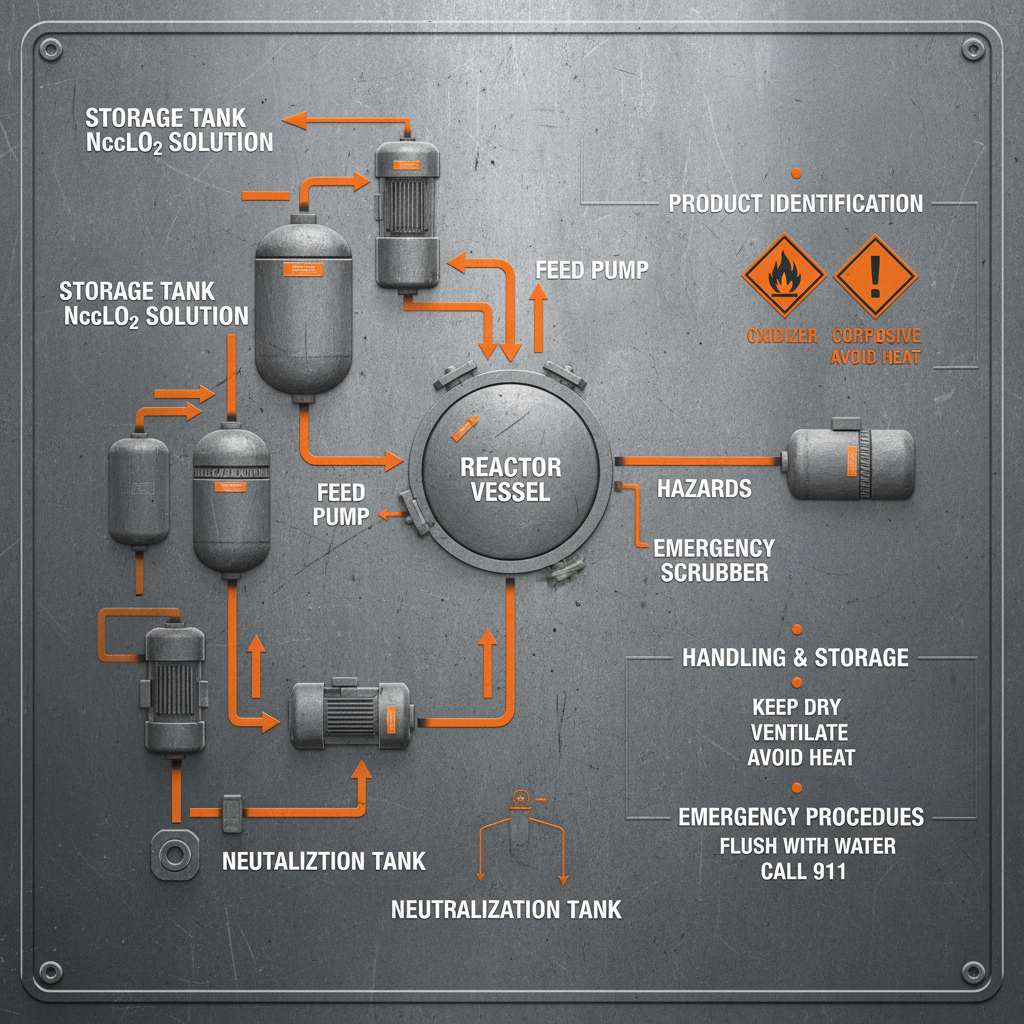
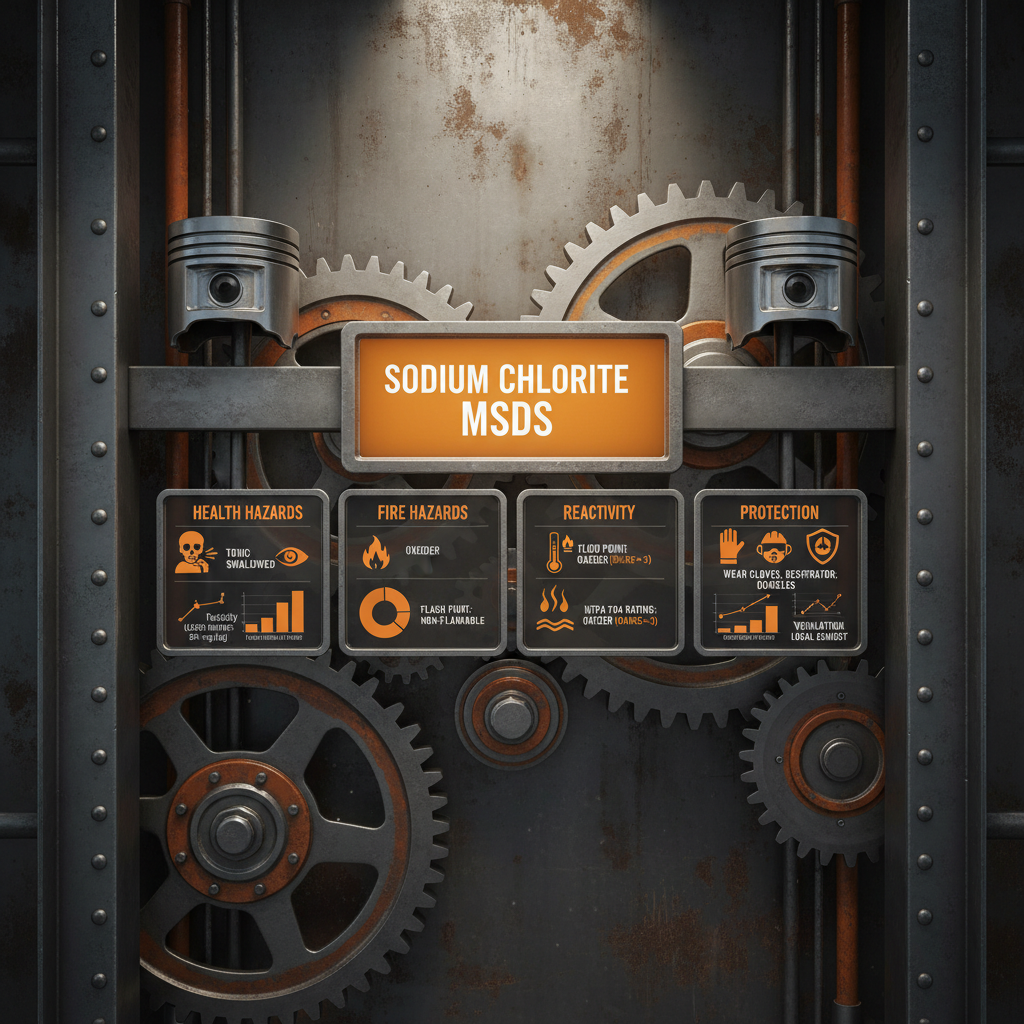
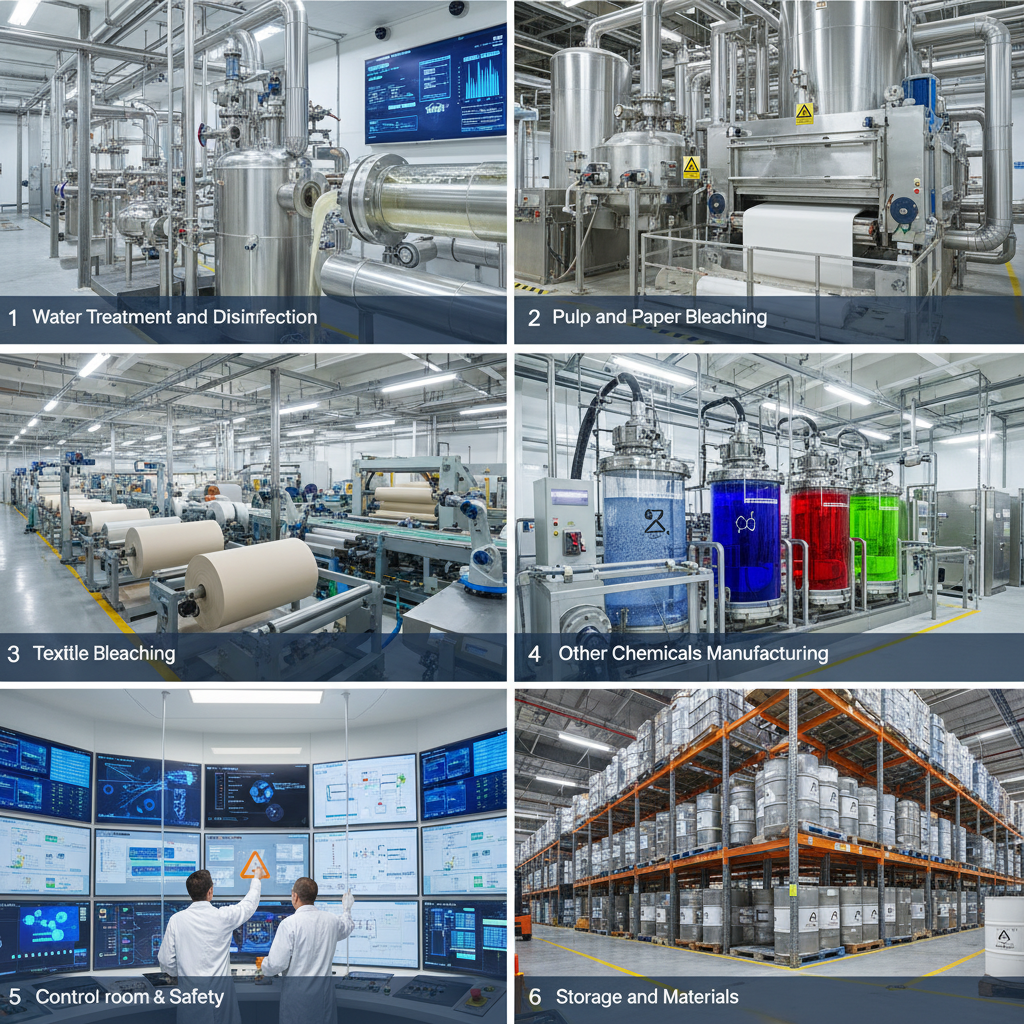
Sodium chlorite MSDS – it’s more than just a document; it’s the key to safely handling a powerful chemical used across industries from water treatment to textile bleaching. Knowing what’s in that MSDS isn’t just about ticking a box for compliance, it’s about protecting people, preventing incidents, and ensuring processes run smoothly. I've seen firsthand how a lack of understanding can lead to delays and, frankly, dangerous situations on site.
The global reliance on sodium chlorite is significant. The UN reports increasing demand for effective water purification solutions, especially in developing nations, and sodium chlorite is a key player there. ISO standards increasingly emphasize detailed chemical handling procedures, impacting manufacturers and end-users alike. The challenge we face isn't just having access to the chemical, but understanding and consistently applying the safety protocols outlined in the sodium chlorite msds.
Simply put, a sodium chlorite MSDS (Material Safety Data Sheet) is a detailed information sheet outlining the properties of sodium chlorite, potential hazards, safe handling procedures, and emergency response protocols. It’s your first line of defense. It's the difference between a job done right, and a potential disaster. It’s not just for lab coats; it's for anyone who comes into contact with this chemical, from the delivery driver to the plant operator.
The Importance of Understanding sodium chlorite msds
I’ve spent years walking construction sites, and the one thing I’ve learned is that shortcuts are rarely worth it, especially when it comes to safety. The sodium chlorite msds isn’t something to glance at; it's a critical resource. It's the foundation for establishing safe work practices and ensuring everyone understands the potential risks.
Too often, I see people relying on outdated information or hearsay. This is a recipe for disaster. The MSDS is regularly updated to reflect new research and best practices. Treat it like your operating manual – essential for getting the job done right and protecting yourself and your crew.
Global Context and Regulatory Framework
Sodium chlorite is used globally in a wide range of applications, from municipal water disinfection to pulp and paper bleaching. This widespread use means it's subject to a complex network of international regulations, including those set by OSHA, EPA, and REACH. Understanding these regulations and how they relate to the information in the sodium chlorite MSDS is vital for compliance.
The demand for cleaner water and more sustainable manufacturing processes is driving increased use of sodium chlorite. This, in turn, puts greater emphasis on responsible handling and disposal. Companies are facing increasing scrutiny, and a solid understanding of the MSDS demonstrates a commitment to safety and environmental responsibility.
Ignoring these regulations isn’t just bad for the environment and worker safety; it can lead to hefty fines and legal repercussions. A proactive approach, starting with a thorough understanding of the sodium chlorite msds, is the best defense.
Decoding the Sodium Chlorite MSDS
The sodium chlorite MSDS is typically broken down into sections, covering everything from chemical identity and hazards to first-aid measures and handling precautions. Understanding the terminology can be challenging, but it’s crucial. Pay close attention to sections detailing exposure limits, personal protective equipment (PPE) requirements, and spill cleanup procedures.
I often tell my teams to think of the MSDS as a story. It’s telling you everything you need to know about the chemical – its strengths, its weaknesses, and how to interact with it safely. Don't just skim it; read it carefully, ask questions, and ensure everyone involved understands the information.
Look specifically for the hazard statements – these describe the potential dangers associated with sodium chlorite. Also, the precautionary statements provide guidance on minimizing those risks. These are the actionable items that will keep you and your team safe.
Key Components of Sodium Chlorite Safety
Several core components contribute to the safe handling of sodium chlorite. First, proper ventilation is essential to prevent inhalation of dust or fumes. Second, appropriate PPE, including gloves, eye protection, and respirators, must be worn at all times.
Third, understanding the reactivity of sodium chlorite is vital. It's a strong oxidizer and can react violently with combustible materials. Proper storage and segregation are crucial to prevent accidental fires or explosions.
Sodium Chlorite Safety Component Ratings
Applications Across Industries
Sodium chlorite finds application in diverse sectors. Water treatment plants use it for disinfection, ensuring safe drinking water. The textile industry relies on it for bleaching fabrics. It's also used in the pulp and paper industry for brightening and delignification.
In post-disaster relief operations, sodium chlorite tablets are often used for emergency water purification, providing a critical lifeline to affected communities. Even in the food industry, it’s used as a sanitizer, though strict regulations govern its application.
Long-Term Benefits and Responsible Use
Investing in proper training and adherence to the sodium chlorite msds guidelines offers substantial long-term benefits. Reduced risk of incidents translates to lower insurance costs and fewer operational disruptions.
Furthermore, responsible use promotes sustainability by minimizing environmental impact. It fosters a culture of safety, boosting employee morale and creating a more trustworthy and reliable operation. It's about doing things the right way, not just the fast way.
Ultimately, prioritizing safety with sodium chlorite isn’t just a regulatory requirement; it’s a sound business practice and a moral obligation to protect our workers and the environment.
Future Trends and Best Practices
We're seeing a growing emphasis on real-time monitoring of chemical handling processes, utilizing sensors and data analytics to identify and mitigate potential hazards. Digital MSDS management systems are also becoming increasingly popular, providing easy access to the latest information and tracking employee training.
The trend towards greener chemistry is also influencing how sodium chlorite is used and disposed of. Researchers are exploring more sustainable alternatives and optimizing existing processes to minimize environmental impact.
Staying ahead of these trends requires continuous learning and a commitment to implementing best practices. Regularly reviewing and updating your safety procedures, based on the latest information in the sodium chlorite msds, is paramount.
Summary of Sodium Chlorite MSDS Review Frequency & Updates
| Review Trigger |
Review Frequency |
Responsibility |
Documentation |
| New Regulatory Updates |
Immediately |
Safety Manager |
Updated MSDS & Training Records |
| Incident/Near Miss |
Within 24 Hours |
Incident Investigation Team |
Incident Report & MSDS Review Notes |
| Annual Safety Audit |
Annually |
Safety Committee |
Audit Report & MSDS Verification |
| Employee Training |
Initial & Bi-Annually |
Training Coordinator |
Training Records & Sign-Off Sheets |
| Change in Processes |
Before Implementation |
Process Engineer |
Process Documentation & MSDS Alignment |
| Vendor MSDS Updates |
Upon Receipt |
Purchasing Department |
Updated MSDS File & Notification |
FAQS
While regulations dictate updates based on new hazard information, a general rule is to review the sodium chlorite msds at least annually, and immediately if there are changes in regulations, processes, or if an incident occurs. Vendors are also obligated to provide updated MSDSs when significant changes are made. Outdated information can lead to dangerous assumptions.
No. Always obtain the sodium chlorite msds directly from the chemical supplier or manufacturer. Online sources may be outdated or inaccurate. The vendor’s MSDS is specific to their product formulation and contains the most reliable safety information.
PEL stands for Permissible Exposure Limit, set by OSHA. It's the maximum amount of a substance a worker can be exposed to over an eight-hour workday. Exceeding the PEL can lead to health problems, so it's crucial to implement controls to keep exposure below this limit, such as ventilation and PPE.
At a minimum, you should always wear chemical-resistant gloves, eye protection (safety glasses or goggles), and potentially a respirator, depending on the concentration and form of the sodium chlorite. The sodium chlorite msds will specify the appropriate PPE based on the hazards.
The MSDS outlines specific spill cleanup procedures. Generally, you'll need to contain the spill, prevent it from entering waterways, and use appropriate absorbent materials. Always wear the correct PPE during cleanup and dispose of contaminated materials according to local regulations. Report all spills immediately.
Yes! Sodium chlorite is a strong oxidizer and reacts violently with combustible materials like organic compounds, acids, and reducing agents. The sodium chlorite msds specifically lists incompatible materials. Avoid contact with these substances at all costs to prevent fires or explosions.
Conclusion
Understanding the sodium chlorite msds isn't just a matter of compliance; it’s about safeguarding people, protecting the environment, and ensuring operational efficiency. It's about recognizing that a seemingly simple chemical can pose significant risks if not handled responsibly. From understanding regulatory frameworks to implementing proper safety procedures, a proactive approach is key.
The future of sodium chlorite handling will be shaped by advancements in digital safety tools, a growing emphasis on sustainability, and continuous improvement in best practices. By embracing these trends and prioritizing safety, we can ensure that this valuable chemical is used effectively and responsibly for generations to come.