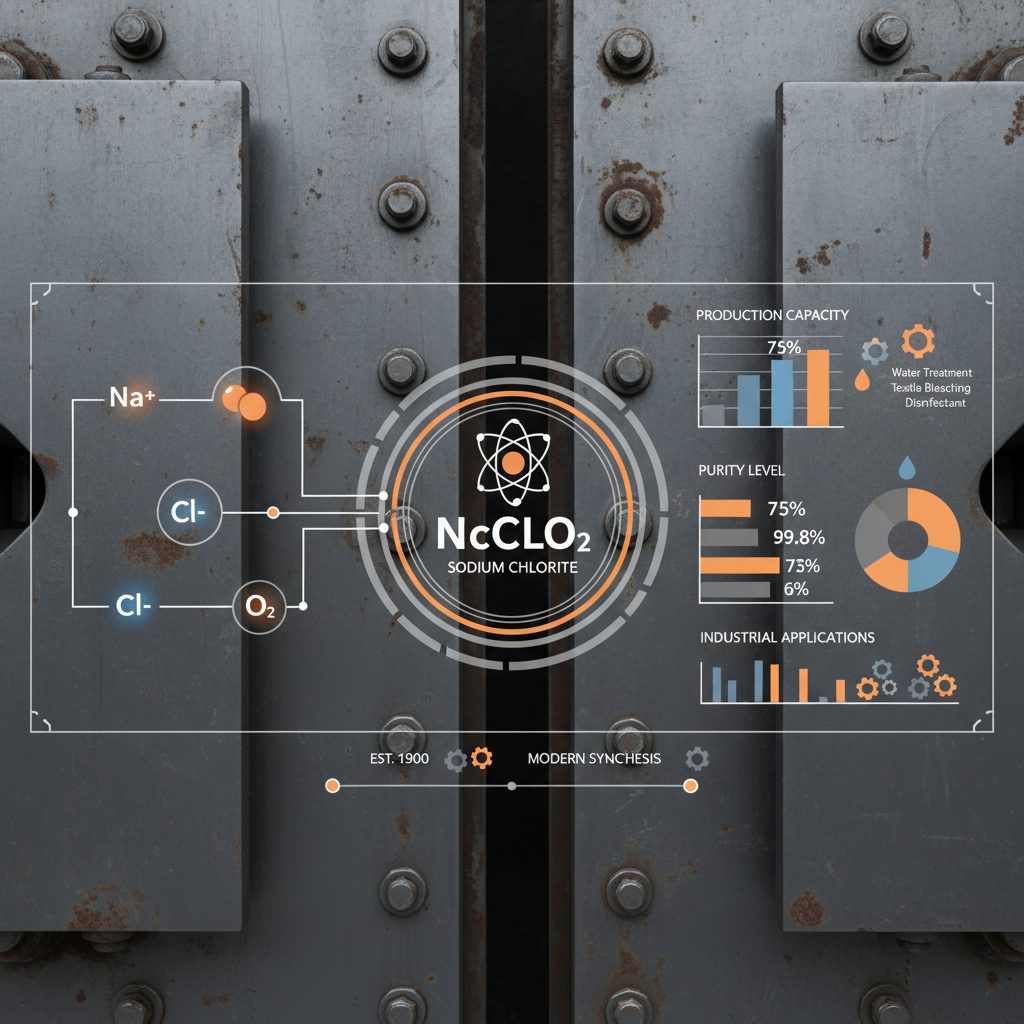
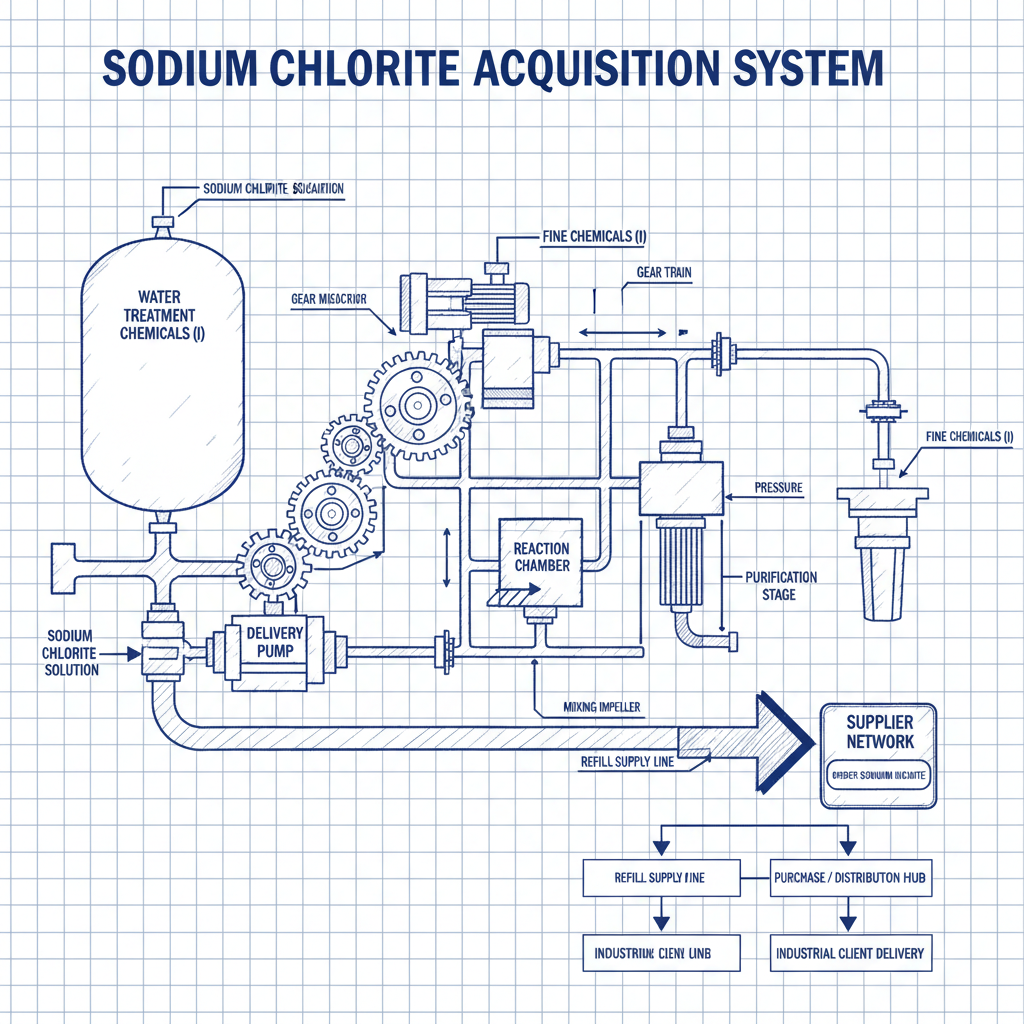
Sodium chlorite, with the formula of sodium chlorite being NaClO₂, is far more than just a chemical compound tucked away in a lab. It's a workhorse, a quiet solution to problems across industries, and frankly, something I see applied – and misapplied – constantly on sites I visit. Understanding its properties, how it behaves, and its safe handling isn't just good practice, it's crucial for effective project outcomes and, most importantly, safety. I’ve spent years wading through paperwork and troubleshooting issues caused by improper use, so believe me, getting this right upfront saves a lot of headaches.
The global demand for effective disinfection and oxidation solutions is steadily rising, driven by increasing concerns over water quality, food safety, and industrial hygiene. According to the World Health Organization, access to safe water is a fundamental human right, yet billions still lack it. The UN Sustainable Development Goals highlight the need for improved sanitation and hygiene practices, areas where sodium chlorite plays a significant role. This isn’t some niche chemical; it's a key component in addressing critical global challenges. We’re talking about applications ranging from treating drinking water in developing nations to sterilizing equipment in food processing plants.
Simply put, the formula of sodium chlorite (NaClO₂) represents a powerful oxidizing agent, typically available as a solid or aqueous solution. It’s distinct from household bleach (sodium hypochlorite) in its stability and targeted oxidation capabilities. I often explain it to folks on site like this: bleach is a broad-spectrum blaster, good for quick cleaning, but chlorite is more of a precision tool, designed for specific reactions. It's this precision that makes it indispensable in industries where controlled oxidation is paramount, like textiles and even certain metal treatments.
The Core Properties of formula of sodium chlorite
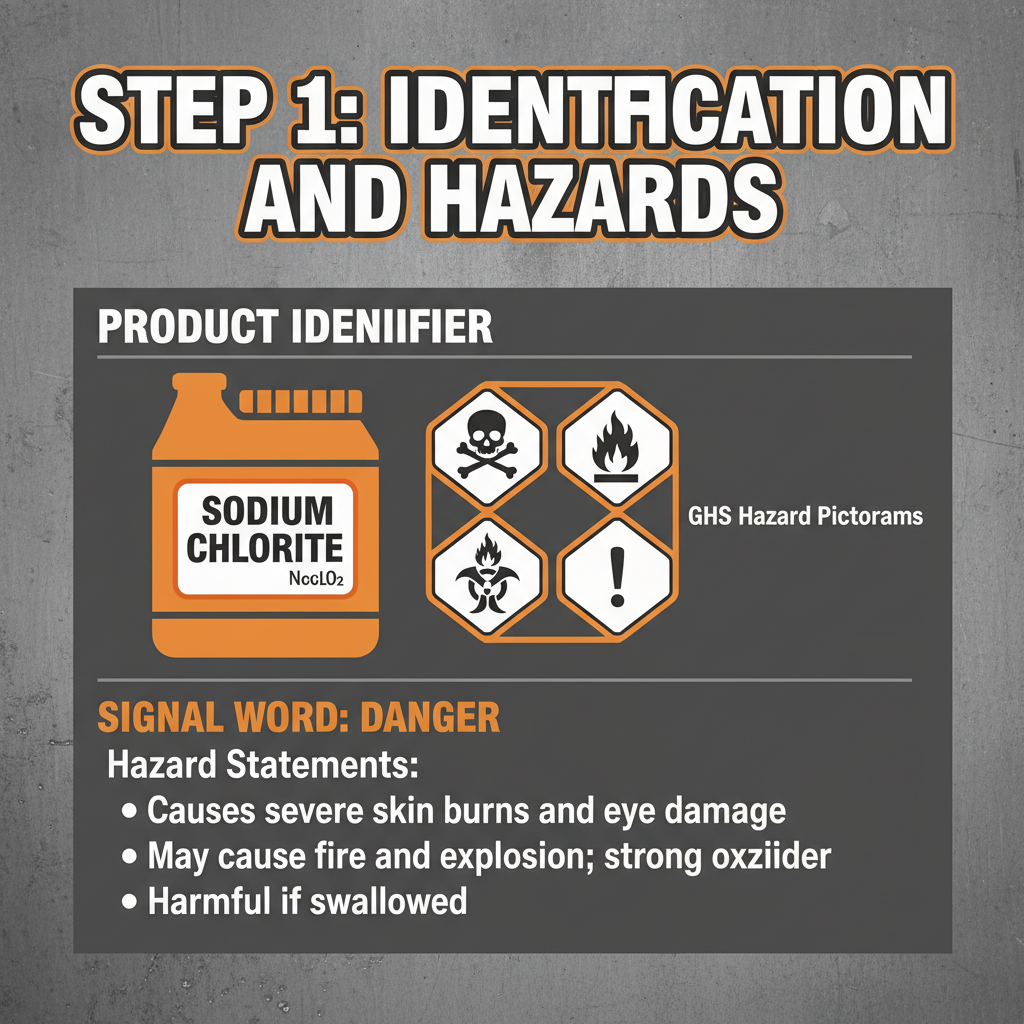
The most important thing to understand about the formula of sodium chlorite is its oxidizing power. It doesn’t just mask odors or kill on contact; it breaks down organic molecules. This is why it’s so effective in applications like odor control and wastewater treatment. But that power also means you need to be careful. Mixing it with acids can release chlorine dioxide gas, which is highly toxic. I've seen firsthand what happens when safety protocols are ignored, and it's not pretty.
Its solubility in water is another key property. It dissolves readily, creating a clear solution that’s easy to handle and apply. However, the stability of that solution is pH-dependent. It’s most stable at slightly alkaline pH levels. This is something engineers need to account for when designing treatment systems – you can’t just throw it into any tank and expect it to work optimally. The concentration and the presence of other chemicals can also significantly affect its performance.
Applications Across Diverse Industries
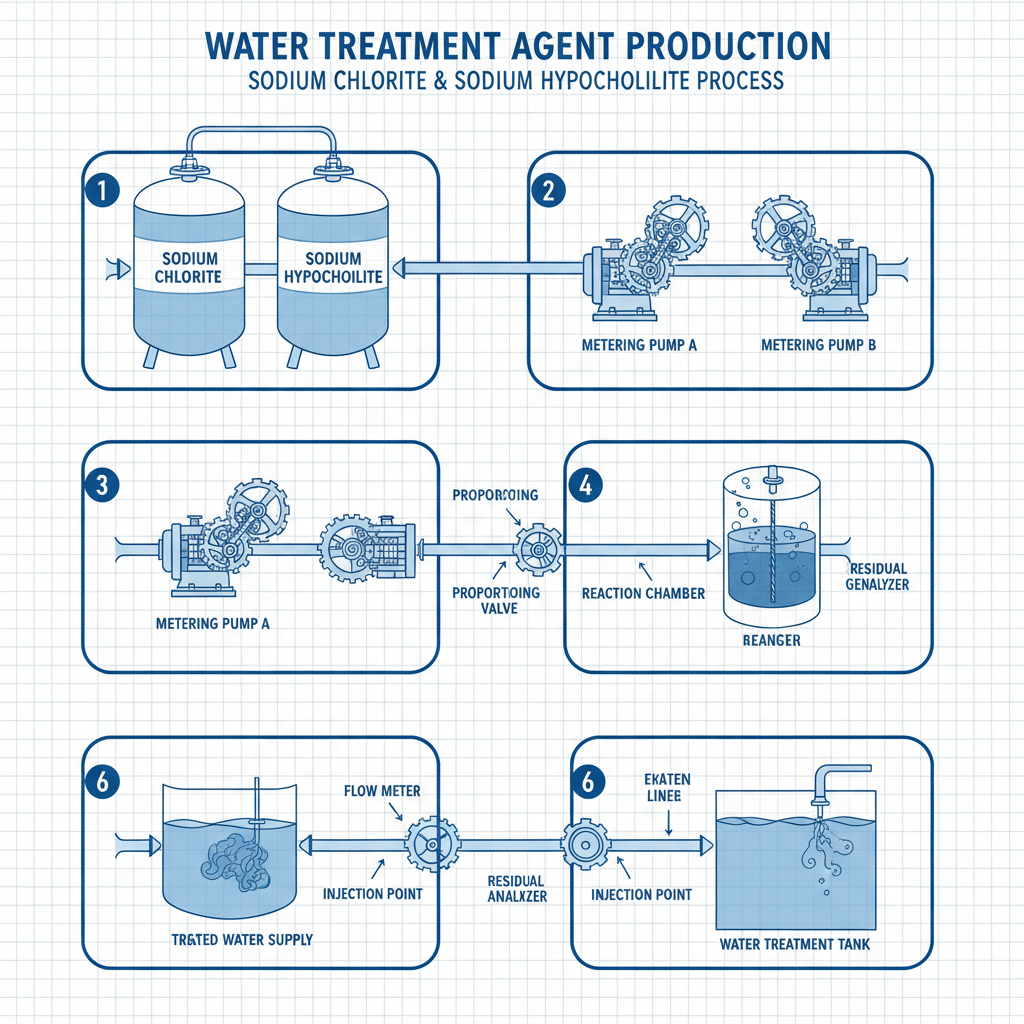
You'd be surprised where this stuff shows up. I’ve seen it used extensively in the textile industry for bleaching and dye stripping, often as a more environmentally friendly alternative to traditional chlorine-based methods. The paper and pulp industry uses it for brightening, and it’s becoming increasingly common in oil and gas applications for controlling sulfide corrosion. It’s also a critical component in many water purification systems, both for municipal water supplies and industrial wastewater treatment.
Beyond those major sectors, I've come across uses in everything from fruit and vegetable washing (to remove surface contaminants) to even specialty cleaning products. The key is its ability to selectively oxidize, meaning it targets specific compounds without causing widespread damage to the material being treated. This is particularly important in delicate processes like food processing.
And let’s not forget its role in emergency response. Sodium chlorite solutions are often used for decontamination in the event of chemical spills or biohazard incidents. It's a versatile tool, but again, proper training and understanding of its properties are paramount. I've been involved in several disaster relief efforts where the correct application of sodium chlorite was crucial for preventing the spread of disease.
Understanding Stability and Reactivity
The stability of formula of sodium chlorite is a bit of a double-edged sword. It’s remarkably stable in its solid form, which is why it’s easy to store and transport. But once dissolved in water, its stability is affected by several factors, including pH, temperature, and the presence of light. Exposure to strong acids is the biggest concern, as it triggers the release of chlorine dioxide, a dangerous gas. I always emphasize to my crews: “Keep it away from acids! Period.”
Reactivity-wise, it’s a powerful oxidizer, as we’ve discussed. This means it readily accepts electrons from other substances, leading to their breakdown. However, this also means it can react violently with certain organic materials, especially if they are concentrated. That’s why dilution and controlled addition are crucial. It's not something you just dump in; it’s a process that requires careful monitoring and adjustment.
Another often overlooked aspect is the impact of metal ions. Certain metals can catalyze the decomposition of sodium chlorite, reducing its effectiveness. So, the materials used in storage tanks and piping systems need to be carefully selected to avoid unwanted reactions. Stainless steel is generally a good choice, but even then, regular inspection is important.
Performance Metrics and Comparative Analysis
When evaluating the effectiveness of formula of sodium chlorite, we look at several key metrics: oxidation-reduction potential (ORP), contact time, and concentration. ORP measures the oxidizing power of the solution, while contact time is how long the solution needs to interact with the target substance to achieve the desired result. Concentration, of course, is the amount of sodium chlorite present. These variables need to be carefully optimized for each specific application.
Compared to other oxidizing agents, like chlorine and ozone, sodium chlorite offers some distinct advantages. It’s generally more stable than chlorine, and it doesn't produce as many harmful disinfection byproducts as ozone. However, it’s also generally more expensive. So, it often comes down to a trade-off between cost, effectiveness, and environmental impact.
Comparative Analysis of Oxidation Methods
Global Applications and Use Cases
In post-disaster relief operations, sodium chlorite is often deployed for rapid water disinfection, providing safe drinking water to affected communities. I've seen it used in remote areas of Africa to combat waterborne diseases, dramatically improving public health. It's not always glamorous work, but it's incredibly rewarding to know you're making a real difference.
In remote industrial zones, where access to sophisticated wastewater treatment facilities is limited, sodium chlorite offers a cost-effective and reliable solution for treating effluent before discharge. The mining industry, in particular, relies heavily on it for controlling sulfide contamination and preventing environmental damage.
Long-Term Value and Sustainability
While the initial cost of sodium chlorite may be higher than some alternatives, its long-term value lies in its effectiveness and reduced environmental impact. By minimizing the formation of harmful byproducts, it contributes to a more sustainable approach to disinfection and oxidation. This is becoming increasingly important as regulations tighten and public awareness grows.
Furthermore, its ability to reduce corrosion in industrial systems can significantly extend the lifespan of equipment, resulting in substantial cost savings over time. The overall impact on operational efficiency and environmental responsibility makes it a compelling choice for forward-thinking organizations.
From a societal perspective, access to clean water and effective sanitation are fundamental human rights. Sodium chlorite plays a critical role in achieving these goals, promoting public health and improving quality of life. That’s a value that can’t be measured in dollars and cents.
Challenges in Implementation and Solutions
One of the biggest challenges is ensuring proper training and handling procedures. Misuse can lead to the release of chlorine dioxide gas, which, as I mentioned earlier, is a serious hazard. We need to invest in comprehensive training programs for anyone working with this chemical. I’ve pushed for more site-specific risk assessments to identify potential hazards and develop appropriate mitigation strategies.
Another challenge is the potential for corrosion of certain materials. Selecting compatible materials for storage and handling is crucial, and regular inspections are essential. We’re also exploring the use of corrosion inhibitors to further protect equipment.
Finally, the cost can be a barrier for some applications, particularly in developing countries. Exploring innovative financing models and promoting bulk purchasing programs can help to make it more accessible. Ultimately, the long-term benefits far outweigh the initial costs, but we need to find ways to bridge the affordability gap.
Summary of Sodium Chlorite Implementation Challenges and Potential Solutions
| Challenge |
Impact on formula of sodium chlorite Application |
Severity (1-10) |
Potential Solution |
| Inadequate Training |
Increased risk of accidents and improper usage of formula of sodium chlorite. |
8 |
Comprehensive site-specific training programs. |
| Material Corrosion |
Reduced efficiency and lifespan of equipment using formula of sodium chlorite. |
7 |
Utilize corrosion-resistant materials; implement regular inspections. |
| High Initial Cost |
Limited accessibility, especially in resource-constrained settings for formula of sodium chlorite. |
6 |
Explore bulk purchasing and innovative financing models. |
| pH Sensitivity |
Reduced effectiveness of formula of sodium chlorite if pH levels are not optimized. |
5 |
Implement pH monitoring and adjustment systems. |
| Reaction with Organic Matter |
Potential for unwanted side reactions and reduced efficiency of formula of sodium chlorite. |
4 |
Careful pre-treatment to reduce organic load. |
| Regulatory Compliance |
Challenges in meeting evolving environmental regulations regarding formula of sodium chlorite usage. |
3 |
Stay updated on regulations and implement best practices. |
FAQS
When handling the formula of sodium chlorite, always wear appropriate personal protective equipment (PPE) – gloves, eye protection, and a respirator if necessary. Avoid mixing it with acids, as this releases toxic chlorine dioxide gas. Ensure adequate ventilation, and store it in a cool, dry place away from incompatible materials. Always consult the Safety Data Sheet (SDS) for detailed instructions. Proper training is paramount; this isn't something to wing it with.
Sodium chlorite is most stable and effective within a slightly alkaline pH range (typically 6-8). Below this range, it tends to decompose, losing its oxidizing power. Above this range, other reactions can become dominant, reducing its efficiency. Maintaining the correct pH is crucial for optimal performance, and often requires the addition of buffers to the solution. Regular monitoring is key on-site.
While both are chlorine-based compounds, they're very different. Household bleach (sodium hypochlorite) is less stable and produces more disinfection byproducts. Sodium chlorite, the formula of sodium chlorite, is more stable, doesn't form as many harmful byproducts, and offers more targeted oxidation capabilities. Think of bleach as a general cleaner and chlorite as a precision tool.
Sodium chlorite can be effective in treating heavily contaminated water, but it's not a one-size-fits-all solution. Pre-treatment, such as filtration to remove sediment and organic matter, is often necessary. The appropriate dosage and contact time will depend on the specific contaminants present and their concentrations. A thorough water analysis is crucial before implementation.
While generally safer than some alternatives, it’s important to properly dispose of sodium chlorite solutions to avoid environmental contamination. Excess chlorite can impact aquatic ecosystems. Following local regulations and utilizing appropriate wastewater treatment technologies are essential. Minimizing dosage and optimizing application methods also help reduce environmental impact.
In its solid form, the formula of sodium chlorite has a relatively long shelf life, typically several years, when stored properly in a cool, dry, and dark place. However, it's always best to check the manufacturer's expiry date on the packaging. Once dissolved in water, the solution's stability decreases, so it should be used within a reasonable timeframe.
Conclusion
In closing, understanding the formula of sodium chlorite – its properties, applications, and potential challenges – is crucial for anyone working in water treatment, industrial hygiene, or emergency response. It’s a powerful tool with a wide range of benefits, but it demands respect and a commitment to safe handling practices. The insights shared here are based on years of practical experience on sites across diverse conditions.
Looking ahead, continued research and development will focus on optimizing its application, minimizing environmental impact, and exploring new uses. I encourage you to stay informed, prioritize safety, and embrace innovation in this field. For more detailed information and to explore our range of sodium chlorite solutions, visit our website: www.fizachem.com.cn.cn.cn