Finding a reliable source for high-purity chemical agents is a critical challenge for industrial procurement managers and lab technicians alike. When searching for where to buy sodium chlorite, the priority usually shifts from simply finding a vendor to identifying a partner who guarantees stability, concentration accuracy, and strict adherence to safety protocols. Sodium chlorite is a powerful oxidizing agent, and its efficacy in water treatment, textile bleaching, and disinfection depends entirely on the quality of the manufacturing process.
Globally, the demand for this compound has surged due to increased regulations regarding water sanitation and the expansion of the pulp and paper industry. However, the market is often fragmented, making it difficult for buyers to distinguish between industrial-grade products and substandard alternatives. Understanding the logistics, purity levels, and regulatory requirements is essential for anyone researching where to buy sodium chlorite to ensure operational safety and cost-effectiveness.
In this comprehensive guide, we will explore the global supply chain of sodium chlorite, the technical specifications you should demand from your supplier, and the strategic frameworks for selecting a vendor. Whether you are sourcing for large-scale municipal water treatment or specialized chemical synthesis, knowing the nuances of the procurement process will save you from costly downtime and hazardous material handling errors.
Global Market Dynamics for Sodium Chlorite
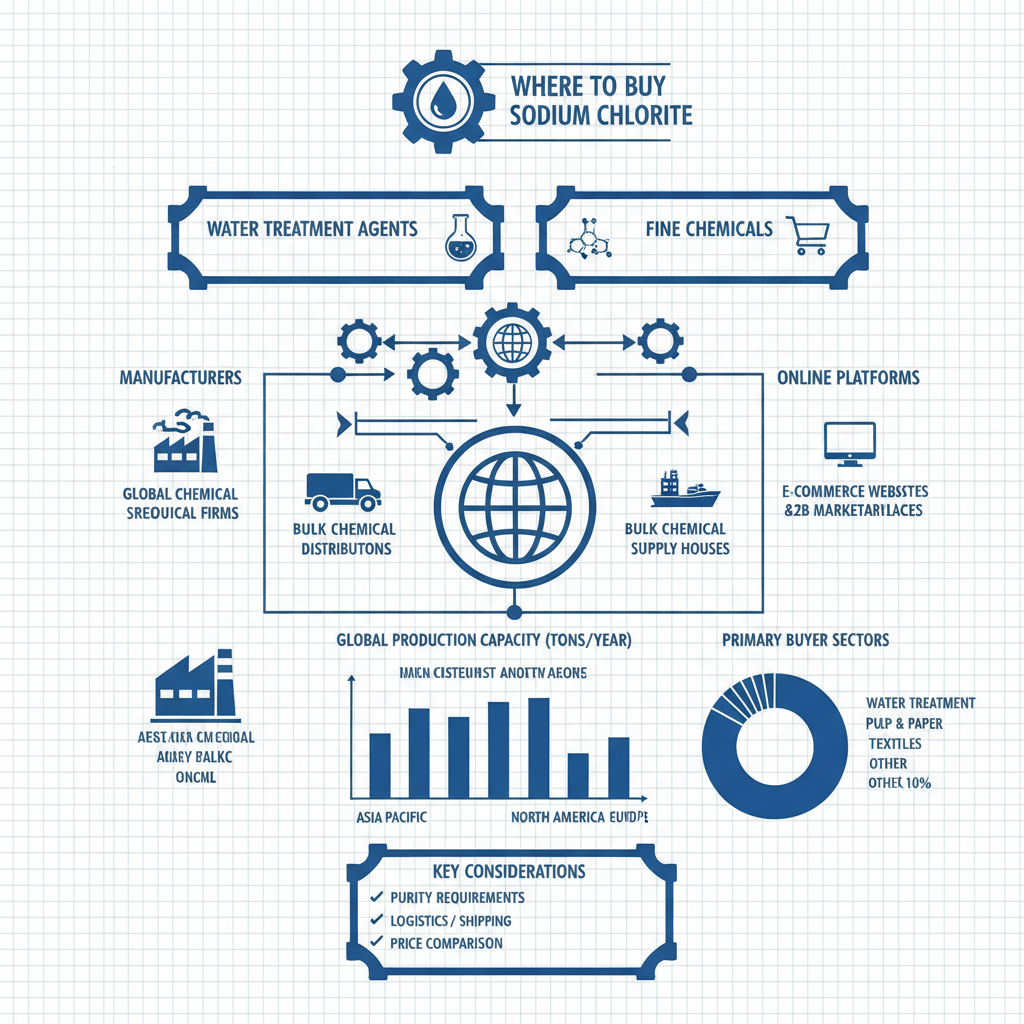
The global supply chain for sodium chlorite is influenced by stringent environmental regulations and the rising need for efficient disinfection technologies. According to industrial reports, the shift toward "green chemistry" has forced many manufacturers to upgrade their plants, leading to a consolidation of the market. For those wondering where to buy sodium chlorite, this means that while there are fewer players, the remaining top-tier suppliers offer higher consistency and better compliance with ISO standards.
Logistical challenges, particularly regarding the transport of hazardous oxidizers, often dictate the price and availability of the product. Buyers in North America and Europe frequently look toward Asian manufacturing hubs for cost-efficiency, but the total cost of ownership must include shipping risks and customs clearance. Understanding these global flows is the first step in optimizing your procurement strategy.
Defining Purity and Technical Standards
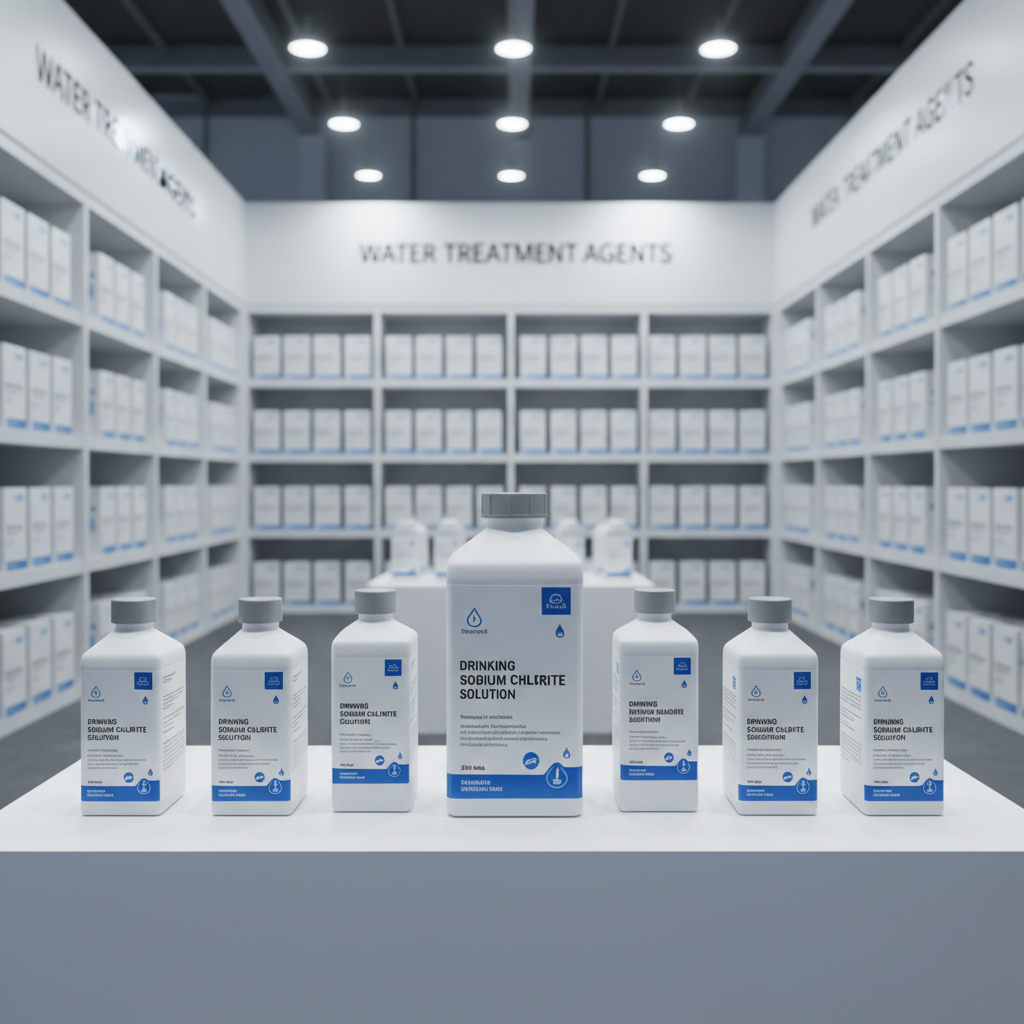
When assessing where to buy sodium chlorite, the first technical hurdle is understanding the difference between the liquid solution and the powder form. Typically, liquid sodium chlorite is supplied as an 80% or 25% solution. The purity of these solutions is paramount; contaminants can lead to unpredictable reactions in water treatment systems or cause discoloration in textile bleaching.
From a chemical perspective, the stability of the compound is the most critical metric. Low-grade products tend to decompose faster, releasing chlorine dioxide prematurely and reducing the active concentration of the agent. This not only wastes material but can also lead to hazardous pressure build-up in storage containers, emphasizing why sourcing from a certified manufacturer is non-negotiable.
Modern industry standards require a detailed Certificate of Analysis (CoA) for every batch. A professional supplier will provide data on the concentration of the active ingredient, the pH level, and the presence of heavy metals. If a vendor is vague about these parameters, it is a significant red flag in your quest for where to buy sodium chlorite.
Key Factors in Supplier Selection
The decision of where to buy sodium chlorite should be based on a weighted matrix of reliability and cost. Scalability is a primary factor; your supplier must be able to handle a sudden increase in volume without compromising the purity of the chemical. A supplier that can grow with your operation prevents the need for frequent, risky vendor transitions.
Cost efficiency is not just about the price per kilogram, but about the concentration and stability. A cheaper, lower-concentration solution often costs more in the long run because it requires larger storage volumes and higher dosage rates to achieve the same disinfecting effect. This is a crucial realization when evaluating where to buy sodium chlorite.
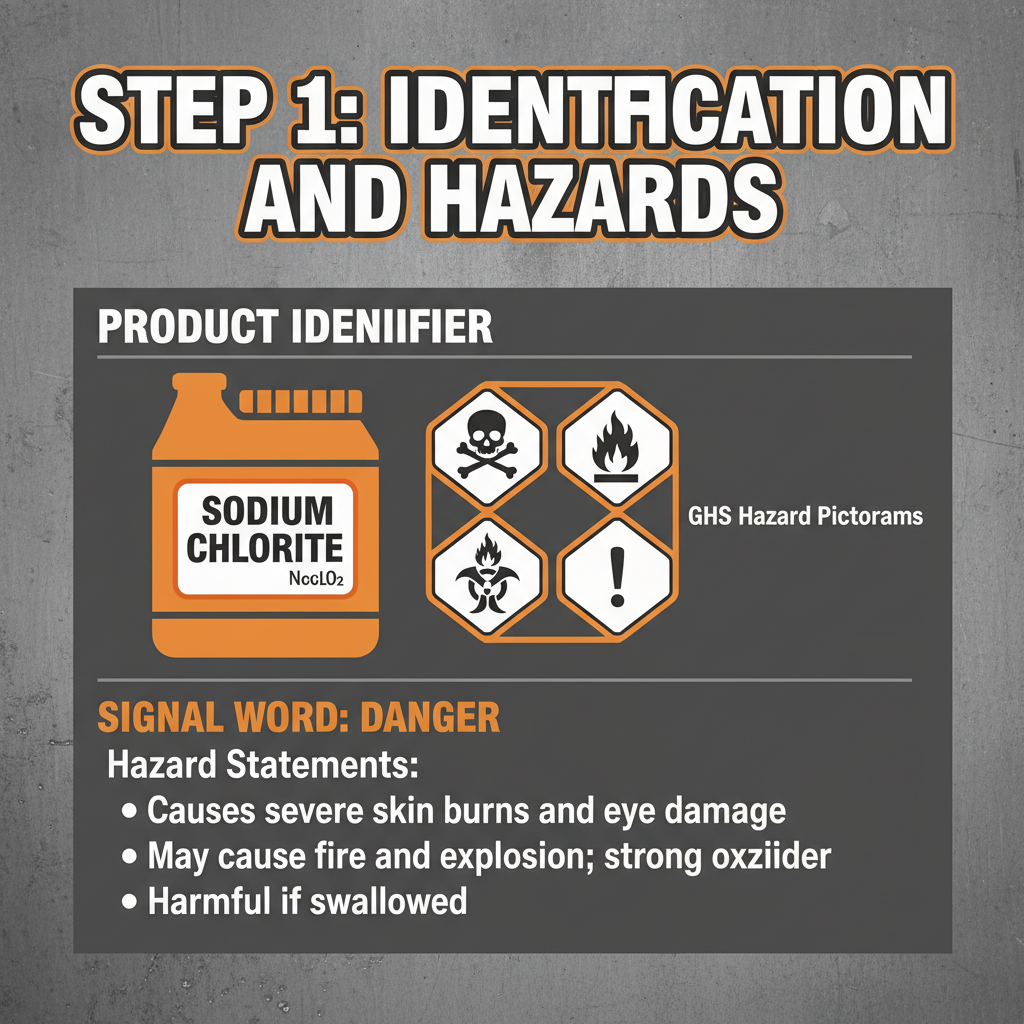
Finally, safety compliance and documentation are the ultimate markers of a reputable source. Because sodium chlorite is a precursor to chlorine dioxide, it is subject to strict transportation laws (IMDG/IATA). A vendor who provides comprehensive Safety Data Sheets (SDS) and ensures specialized packaging is the only safe choice when deciding where to buy sodium chlorite.
Industrial Applications and Use Cases
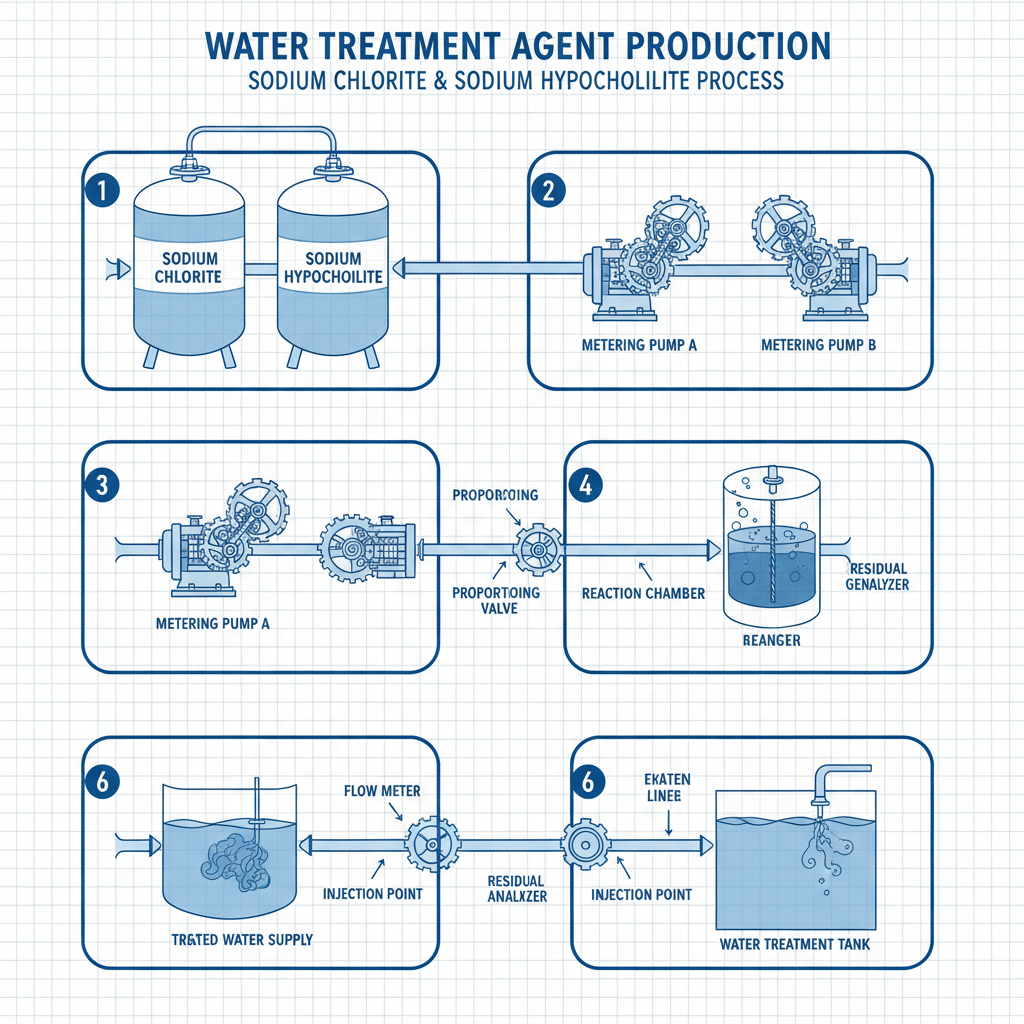
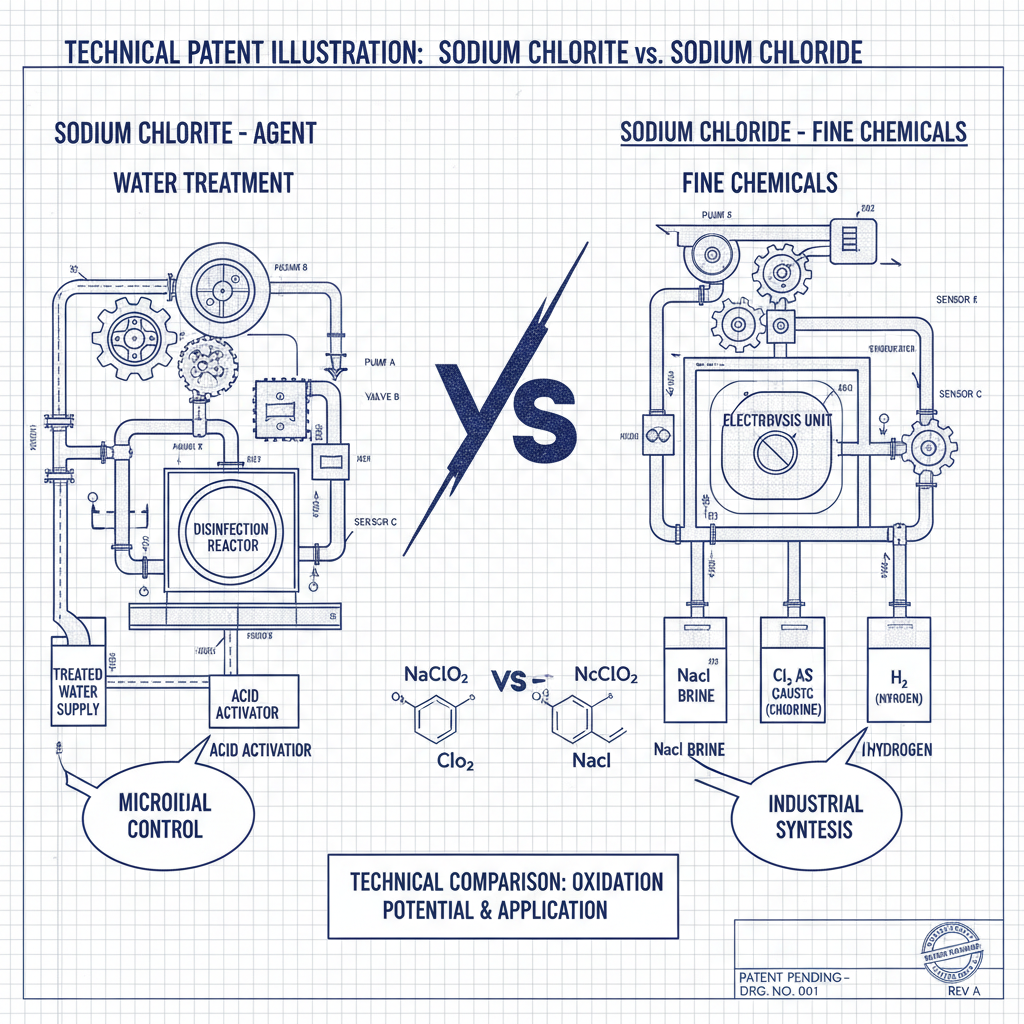
Sodium chlorite finds its most significant application in the production of chlorine dioxide (ClO2), a potent disinfectant used extensively in municipal water treatment. In these contexts, the reliability of the supply chain is a matter of public health; any interruption in the delivery of the chemical could compromise the safety of drinking water for thousands of people.
Beyond water treatment, the compound is indispensable in the pulp and paper industry for elemental chlorine-free (ECF) bleaching. This process reduces the environmental impact of paper production by eliminating the use of pure chlorine gas, making the search for where to buy sodium chlorite a priority for sustainable industrial development.
Comparison of Sodium Chlorite Sourcing Methods
Long-Term Value of Strategic Sourcing
Investing time into researching where to buy sodium chlorite from a high-end manufacturer provides more than just a chemical; it provides peace of mind. High-purity chemicals reduce the frequency of equipment corrosion and minimize the amount of byproduct waste, which directly impacts the bottom line through lower maintenance costs.
Moreover, a strategic partnership with a reliable manufacturer allows for customized concentrations and tailored packaging solutions. This reduces the risk of spills during handling and optimizes the storage space within your facility, turning a simple procurement task into a competitive advantage in operational efficiency.
Future Trends in Chemical Distribution
The future of sourcing chemicals like sodium chlorite is moving toward digital transparency. Blockchain technology is being explored to track the "chain of custody" from the raw material mine to the final delivery, ensuring that the product you receive is exactly what was promised in the CoA. This will fundamentally change how companies decide where to buy sodium chlorite.
Sustainability is also driving the development of more concentrated solutions to reduce the carbon footprint associated with transporting water. By increasing the active ingredient percentage while maintaining stability, manufacturers can ship less volume, reducing freight costs and environmental impact.
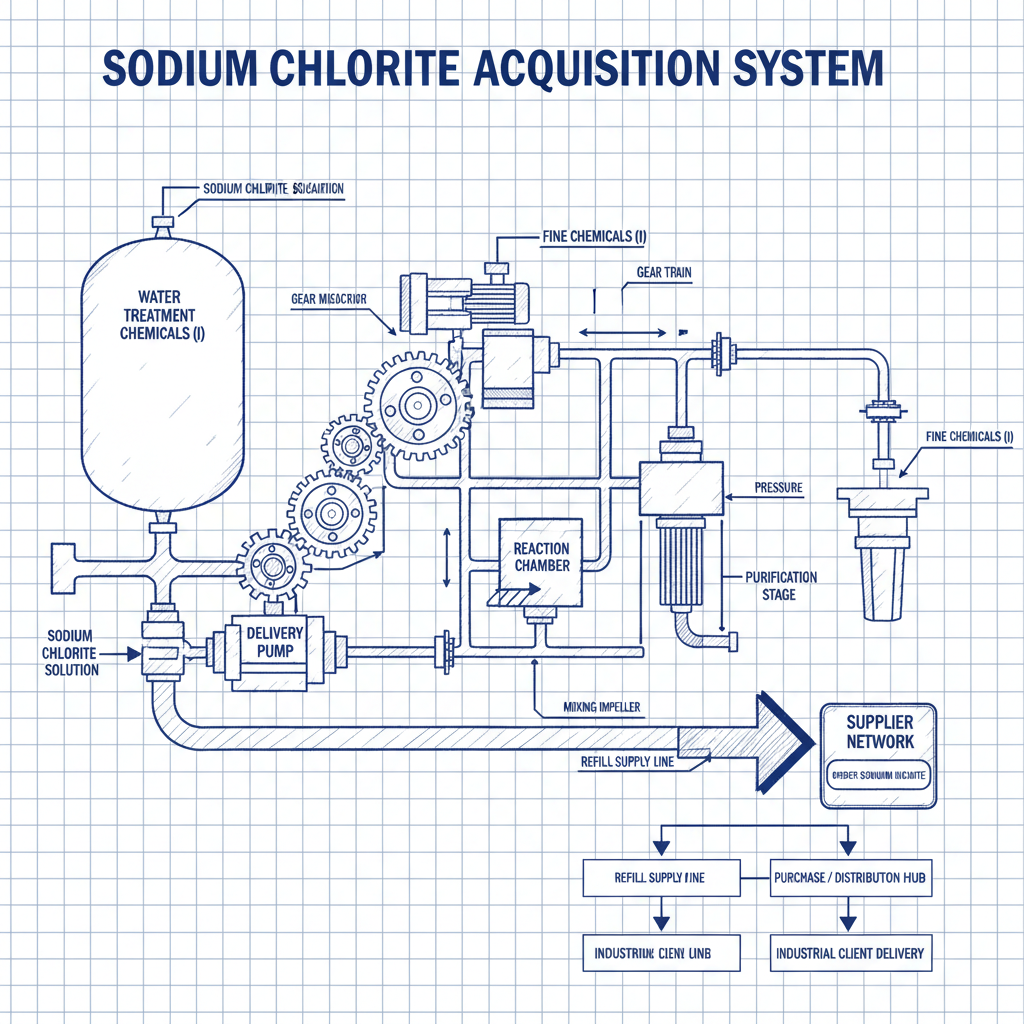
Automation in dosing systems is another trend. Suppliers are now integrating their logistics with the client's inventory management software, triggering automatic refills when levels drop. This "Just-in-Time" approach removes the stress of wondering where to buy sodium chlorite during an emergency shortage.
Overcoming Procurement Challenges
One of the most common challenges in procurement is the volatility of raw material prices. To mitigate this, experienced buyers often enter into long-term contracts with a fixed price or a price-indexing formula. This stabilizes the budget and ensures a steady supply even during market spikes.
Another hurdle is the regulatory complexity of importing chemicals across borders. Working with a supplier who has a dedicated logistics team and experience with international customs can prevent costly delays at the port. When searching for where to buy sodium chlorite, always ask about their export track record to your specific region.
Lastly, the risk of contamination during transport is real. Ensuring that your supplier uses high-density polyethylene (HDPE) containers and secure palletizing is essential. Implementing a rigorous receiving inspection protocol—testing the concentration upon arrival—is the final safeguard in your sourcing strategy.
Analysis of Sourcing Channels for Sodium Chlorite
| Sourcing Channel |
Purity Assurance |
Lead Time |
Cost Stability |
| Direct Factory |
Highest (Direct CoA) |
Moderate |
High (Contractual) |
| Certified Distributor |
High |
Short |
Moderate |
| Local Wholesaler |
Variable |
Immediate |
Low |
| B2B Marketplace |
Unverified |
Variable |
Very Low |
| Global Chemical Agent |
Moderate |
Long |
Moderate |
| Specialty Lab Supplier |
Ultra-High |
Short |
High (Premium) |
FAQS
Prioritize suppliers who provide a comprehensive Certificate of Analysis (CoA) and a detailed Safety Data Sheet (SDS). Ensure they have experience in hazardous material logistics and a proven track record of purity consistency. Avoid vendors who cannot specify the exact concentration or who lack ISO certifications for their manufacturing processes.
Liquid sodium chlorite is generally safer for industrial use as it reduces the risk of dust inhalation and is easier to integrate into automated dosing systems. However, the powder form is more concentrated and has a longer shelf life if stored correctly. The "safe" choice depends on your facility's handling capabilities and storage infrastructure.
The most reliable method is through titration analysis in a controlled lab setting. By measuring the active chlorite content against a known standard, you can verify if the product matches the CoA provided by the supplier. Regularly sampling batches is essential for maintaining quality control in water treatment operations.
Yes, sodium chlorite is classified as a hazardous material (oxidizer). It requires specific UN-approved packaging and dangerous goods declarations. You must ensure your supplier is compliant with IMDG (sea) or IATA (air) regulations to avoid shipment seizures or heavy fines at customs.
Direct factory sourcing typically offers the lowest price per unit but requires higher minimum order quantities (MOQ). Local distributors charge a premium for convenience and faster delivery. Online marketplaces may seem cheapest but often carry the highest risk of purity failure and shipping delays.
When stored in opaque, airtight HDPE containers and kept away from direct sunlight and heat, liquid sodium chlorite solutions typically remain stable for 6 to 12 months. However, purity can degrade over time, so it is recommended to follow a First-In, First-Out (FIFO) inventory system.
Conclusion
Navigating the complexities of where to buy sodium chlorite requires a balanced approach that weighs technical purity, logistical reliability, and cost-efficiency. From understanding the critical importance of the Certificate of Analysis to managing the risks of international hazardous material transport, the procurement process is a vital link in the industrial chain. By focusing on strategic partnerships with certified manufacturers rather than one-off purchases, companies can ensure the safety of their operations and the consistency of their final products.
As the industry evolves toward greater sustainability and digital transparency, the ability to source high-quality chemicals will remain a key differentiator for successful enterprises. We recommend establishing a rigorous vendor audit process and maintaining a diversified supply chain to mitigate global volatility. For those seeking premium, industrial-grade chemical solutions with guaranteed purity and professional logistics, we invite you to explore our capabilities. Visit our website: www.fizachem.com.cn