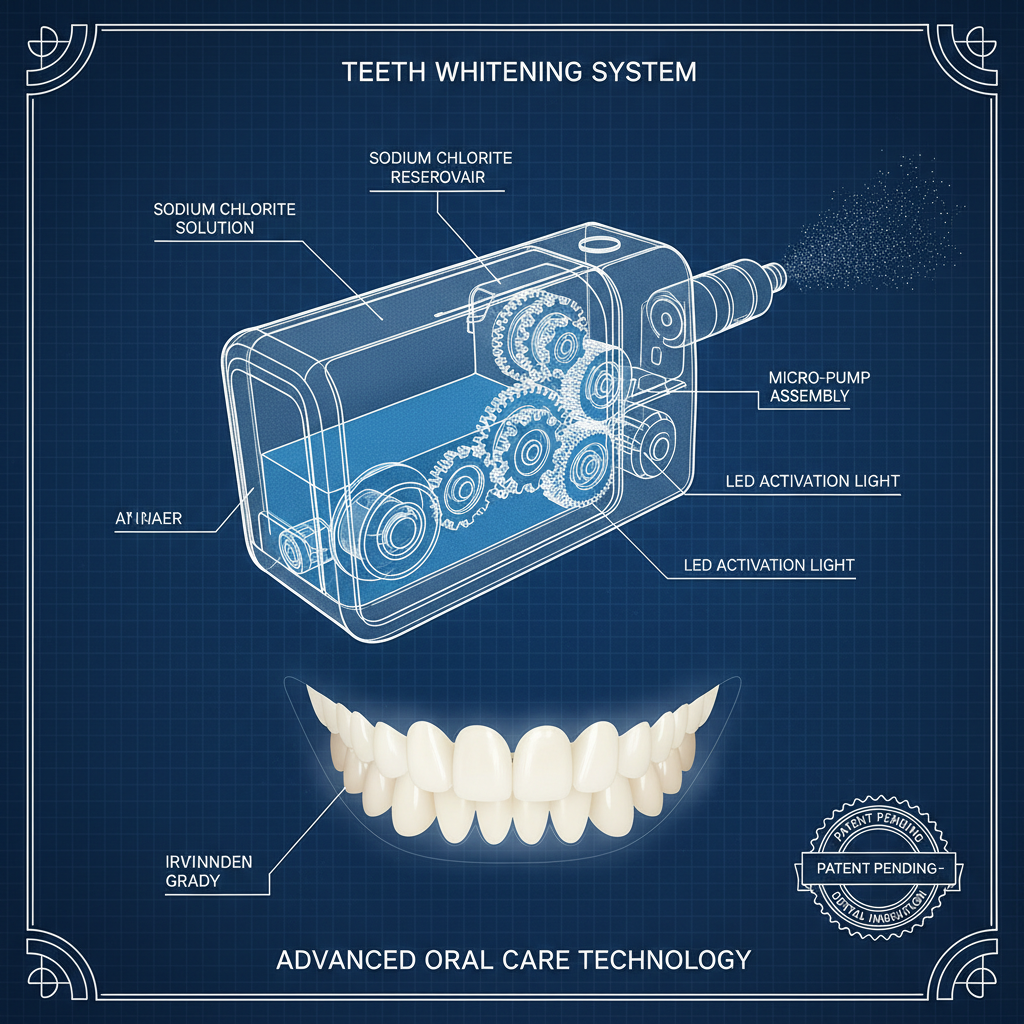
Sodium chlorite (NaClO₂) and sodium chloride (NaCl), while seemingly similar in name, are drastically different chemical compounds with unique properties and applications. Understanding the distinction between sodium chlorite vs sodium chloride is critical across numerous industries, ranging from water treatment to chemical manufacturing. This knowledge informs safe handling procedures, efficient process optimization, and ultimately, product quality and efficacy. The global need for effective disinfection and specialized chemical inputs drives the importance of this understanding.
The improper use or substitution of one for the other can lead to significant consequences, including reduced efficacy, the formation of harmful byproducts, or even dangerous reactions. The market for both compounds is substantial, with a continuous demand fueled by population growth, increasing industrialization, and heightened environmental awareness. Accurate identification and application of these chemicals are paramount to maintaining public health and ensuring responsible industrial practices.
This guide will delve into a detailed comparison of sodium chlorite and sodium chloride, outlining their distinct chemical characteristics, applications, safety considerations, and future trends, particularly within the context of the chemical wholesale and trade industries.
Introduction to Sodium Chlorite and Sodium Chloride
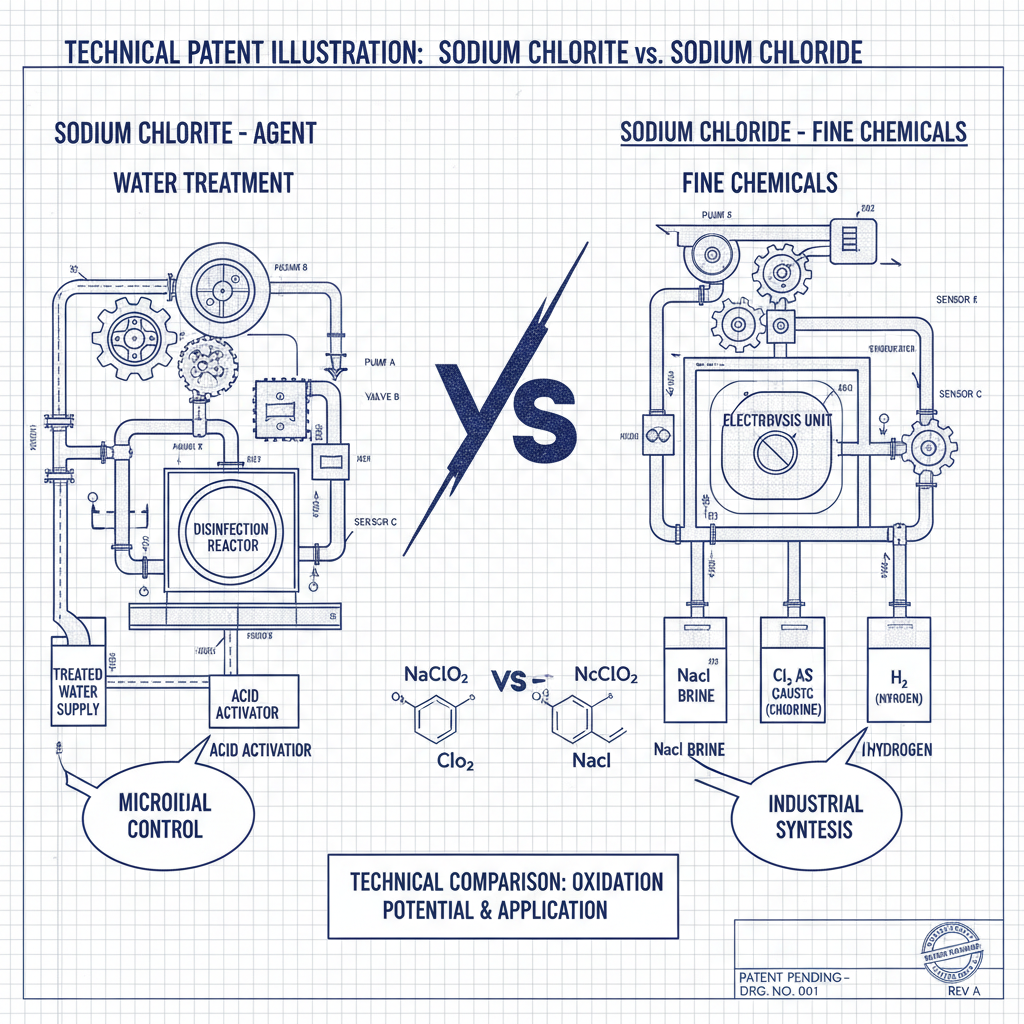
Sodium chlorite (NaClO₂) is a powerful oxidizing agent primarily used as a disinfectant, particularly in water purification and specialized cleaning applications. It’s distinct from common bleach, being more stable and effective at a wider pH range. Its capacity to selectively oxidize is a key feature in many industrial processes. sodium chlorite vs sodium chloride often leads to confusion.
Sodium chloride (NaCl), commonly known as table salt, is an essential compound for human life and widely used in various industries, including food processing, chemical manufacturing, and de-icing. Its abundance and relatively low cost make it a staple in many applications. However, its properties differ significantly from sodium chlorite, making it unsuitable for certain specialized tasks.
Chemical Properties and Composition
Sodium chlorite has a molecular weight of 112.99 g/mol and exists as a white or yellowish crystalline solid. It’s characterized by its strong oxidizing power due to the presence of the chlorite ion (ClO₂⁻). This oxidation potential is the foundation of its disinfection and bleaching properties. It is relatively stable in solid form, but solutions can decompose, especially under acidic conditions.
Sodium chloride, with a molecular weight of 58.44 g/mol, is also a white crystalline solid, but it's far more stable than sodium chlorite. It dissolves readily in water, forming a neutral solution. Its primary chemical characteristic is its ability to dissociate into sodium and chloride ions, contributing to electrolyte balance and playing a crucial role in various biological and industrial processes.
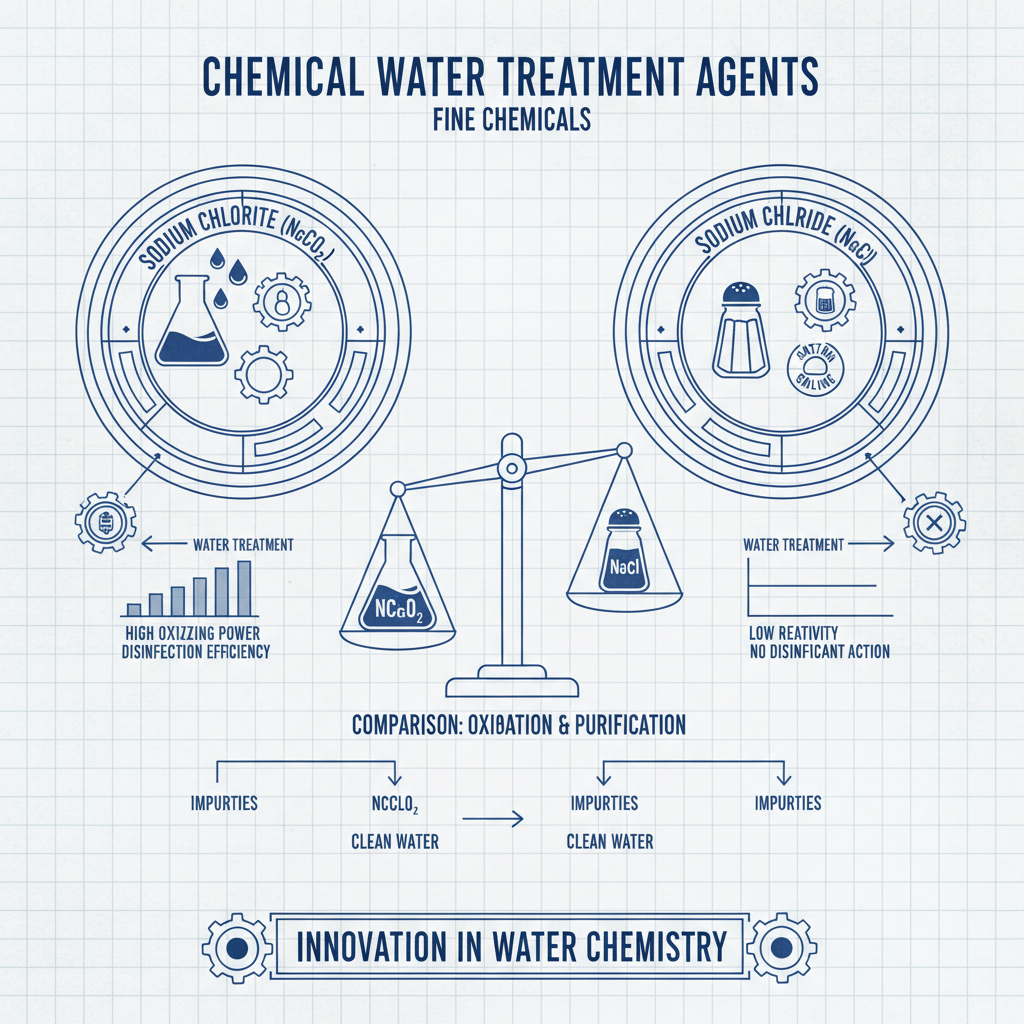
The key difference lies in their chemical structure and resulting reactivity. Sodium chlorite’s chlorite ion is a much stronger oxidizing agent compared to the chloride ion in sodium chloride. This fundamental distinction dictates their respective uses and potential hazards.
Applications Across Industries
Sodium chlorite finds prominent application in water treatment, where it effectively eliminates bacteria, viruses, and other microorganisms without forming harmful disinfection byproducts like trihalomethanes, which are common with chlorine-based disinfectants. It's also used in the pulp and paper industry for bleaching and in the textile industry for dyeing. sodium chlorite vs sodium chloride is a comparison often needed in these sectors.
Sodium chloride’s applications are considerably broader. It's a vital component in the food industry for flavoring and preservation. In chemical manufacturing, it serves as a feedstock for producing chlorine, sodium hydroxide, and other essential chemicals. Furthermore, it is widely used in de-icing roads during winter, in drilling fluids in the oil and gas industry, and even in medical solutions.
Specifically, in the agrochemical sector, sodium chlorite can be used in specialized formulations for plant disease control. In contrast, sodium chloride has limited direct application in agrochemicals, though it can be used in certain fertilizer blends. Understanding this nuanced application is crucial for distributors and consumers.
Safety and Handling Considerations
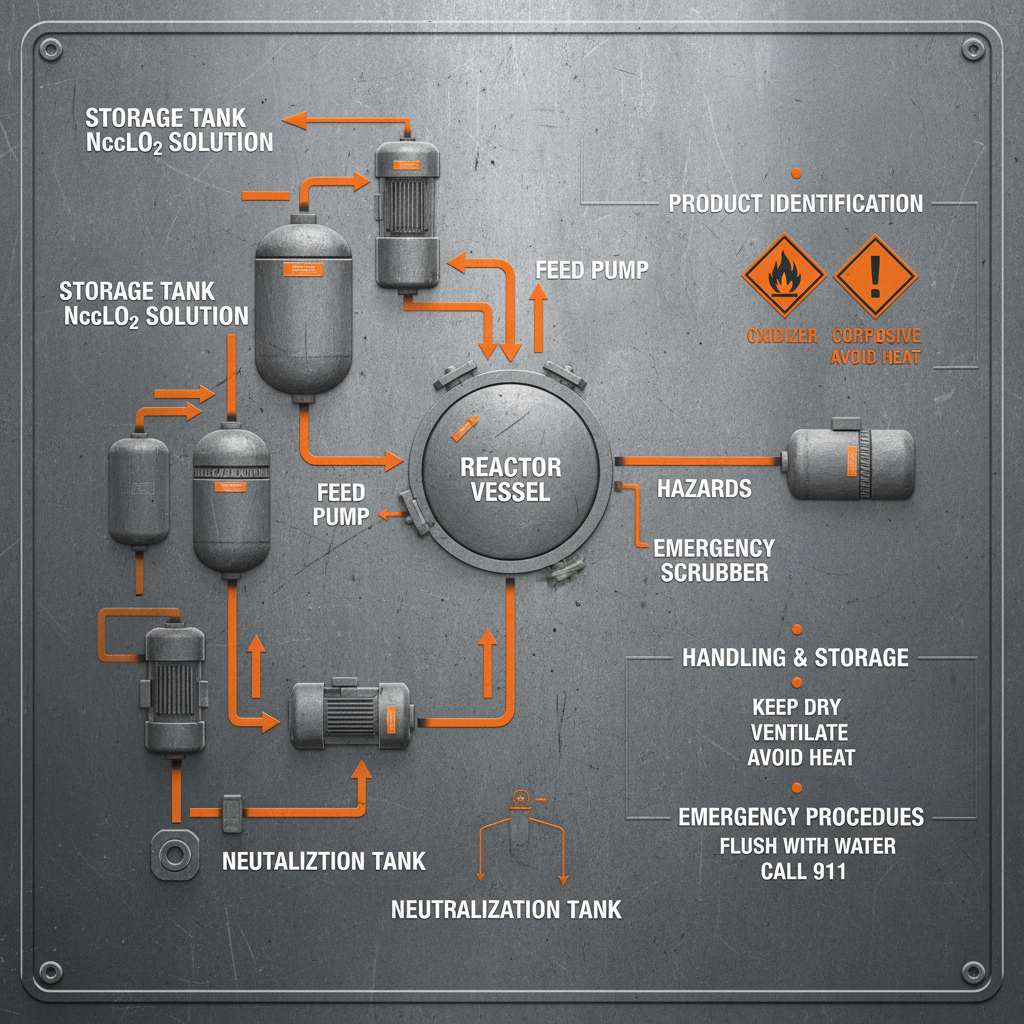
Sodium chlorite, being a strong oxidizer, requires careful handling. It can cause irritation to the skin, eyes, and respiratory tract. In concentrated form, it can react violently with combustible materials. Proper personal protective equipment (PPE), including gloves, goggles, and respirators, is essential when handling this chemical. Storage should be in a cool, dry, and well-ventilated area, away from incompatible substances.
Sodium chloride, while generally considered safe, can cause irritation in high concentrations. In large quantities, it can disrupt electrolyte balance in the body. Handling requires standard safety practices, such as avoiding dust inhalation and washing hands after contact. While less hazardous than sodium chlorite, responsible handling is always important.
Relative Hazard Levels: Sodium Chlorite vs Sodium Chloride
Comparative Analysis: Cost and Availability
Sodium chloride is significantly cheaper and more readily available than sodium chlorite due to its vast natural reserves and simpler production processes. This cost difference is a major factor in its widespread use across numerous industries.
Sodium chlorite production is more complex and requires specialized manufacturing facilities. Consequently, it is more expensive and subject to fluctuations in supply and demand. This makes it a premium chemical, reserved for applications where its unique properties justify the higher cost.
Global Market Trends
The global market for sodium chlorite is experiencing growth driven by increasing demand for effective water treatment solutions and specialized bleaching applications. Regulations concerning water quality and environmental protection are key drivers in this growth.
The sodium chloride market remains stable, with consistent demand across various sectors. However, emerging trends like the development of sustainable de-icing solutions and the optimization of chemical manufacturing processes are shaping its future trajectory.
Geographically, demand for both chemicals is highest in regions with rapid industrialization and population growth, such as Asia-Pacific and Latin America.
Future Innovations and Regulatory Landscape
Research and development efforts are focused on improving the stability and handling of sodium chlorite, as well as exploring new applications in areas like medical sterilization and environmental remediation. The development of more efficient production methods could also lower costs.
Innovations in sodium chloride production are centered around reducing energy consumption and minimizing environmental impact. The development of more sustainable salt mining and purification techniques are gaining traction.
Regulatory scrutiny surrounding the use of both chemicals is increasing. Stricter guidelines on water quality, chemical handling, and environmental protection are likely to shape future market dynamics and drive the adoption of safer and more sustainable practices.
Summary of Key Differences: Sodium Chlorite vs Sodium Chloride
| Chemical Properties |
Primary Applications |
Safety Considerations |
Relative Cost |
| Strong Oxidizer, Unstable in solution |
Water Disinfection, Bleaching, Specialized Cleaning |
High Hazard, Requires strict PPE and handling procedures. |
High |
| Stable, Dissolves in Water |
Food Processing, Chemical Feedstock, De-icing |
Low Hazard, Standard safety practices adequate. |
Low |
| Molecular Weight: 112.99 g/mol |
Agrochemical Formulations (specific applications) |
Potential for violent reactions with combustible materials. |
Significantly Higher |
| Forms Chlorine Dioxide |
Pulp and Paper Bleaching |
Avoid contact with skin and eyes. |
More Expensive |
| Chlorite Ion (ClO₂⁻) |
Textile Dyeing |
Store in a cool, dry, well-ventilated area. |
Limited Availability |
| Highly Effective Disinfectant |
Specialized cleaning applications |
Requires careful training and adherence to safety protocols. |
Price Sensitive |
FAQS
Sodium chlorite is used as a disinfectant, effectively eliminating pathogens without creating harmful byproducts like trihalomethanes, which can form with chlorine. Sodium chloride simply increases the salinity of the water and doesn't offer the same disinfection capabilities. Choosing between the two depends on the desired outcome – disinfection versus salinity adjustment. Understanding sodium chlorite vs sodium chloride in water treatment is vital for ensuring safe and potable water sources.
No, sodium chloride is not a suitable substitute for sodium chlorite in bleaching applications. Sodium chlorite is a powerful oxidizing agent that actively breaks down colored compounds, resulting in bleaching. Sodium chloride lacks this oxidizing power and will not produce the same effect. Substituting one for the other will lead to ineffective bleaching and potentially process failure.
Sodium chlorite requires significantly more stringent safety precautions. It's a strong oxidizer and can cause irritation and even react violently with combustible materials. Full PPE (gloves, goggles, respirator) is essential. Sodium chloride, while not entirely harmless, is far less reactive and requires standard safety practices.
Sodium chlorite is considerably more expensive than sodium chloride. This is primarily due to the more complex manufacturing process required to produce sodium chlorite and its limited natural availability. Sodium chloride is abundant and relatively easy to extract and refine. The cost difference often influences the application choice.
The use of sodium chlorite in drinking water treatment is heavily regulated by agencies like the EPA. Maximum Residual Disinfectant Level (MRDL) limits are set to ensure the safety of treated water. Compliance with these regulations is crucial for water treatment facilities, and ongoing monitoring is required.
Sodium chlorite is being explored for applications in advanced oxidation processes for wastewater treatment and in medical sterilization. Sodium chloride is seeing innovation in sustainable de-icing solutions and in improving battery technologies. Research continues to unlock new potential uses for both compounds.
Conclusion
In conclusion, while both sodium chlorite and sodium chloride share a similar chemical nomenclature, their properties, applications, and safety profiles are vastly different. Sodium chlorite is a powerful, specialized oxidizing agent crucial for disinfection and specific bleaching applications, whereas sodium chloride is a ubiquitous and versatile compound with a broader range of uses, primarily as a seasoning, chemical feedstock, and de-icer. A thorough understanding of sodium chlorite vs sodium chloride is essential for professionals in numerous industries.
Looking ahead, the demand for both chemicals will continue to be driven by global trends in population growth, industrialization, and environmental sustainability. Continued innovation in production processes and application technologies, coupled with stricter regulatory oversight, will shape the future landscape of these essential chemical compounds. Contact us at www.fizachem.com.cn to discuss your specific chemical needs.