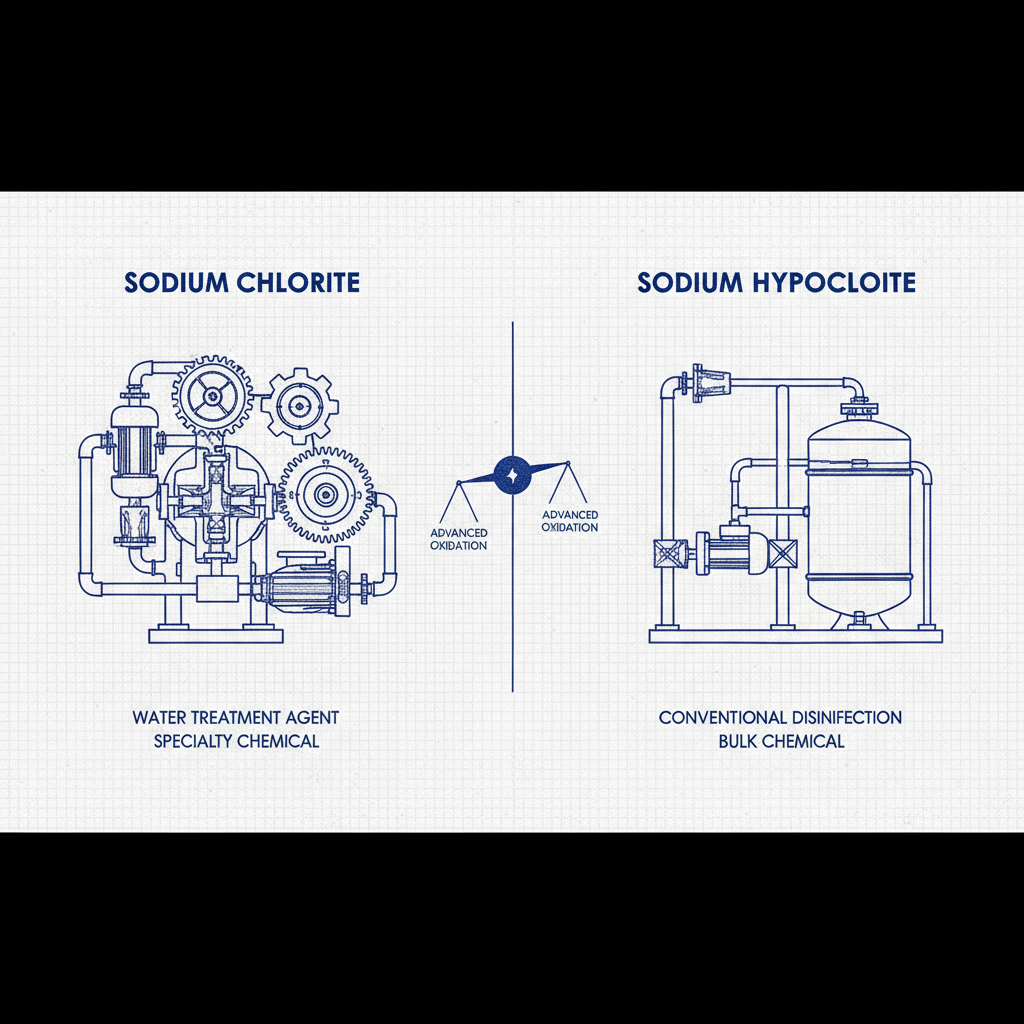
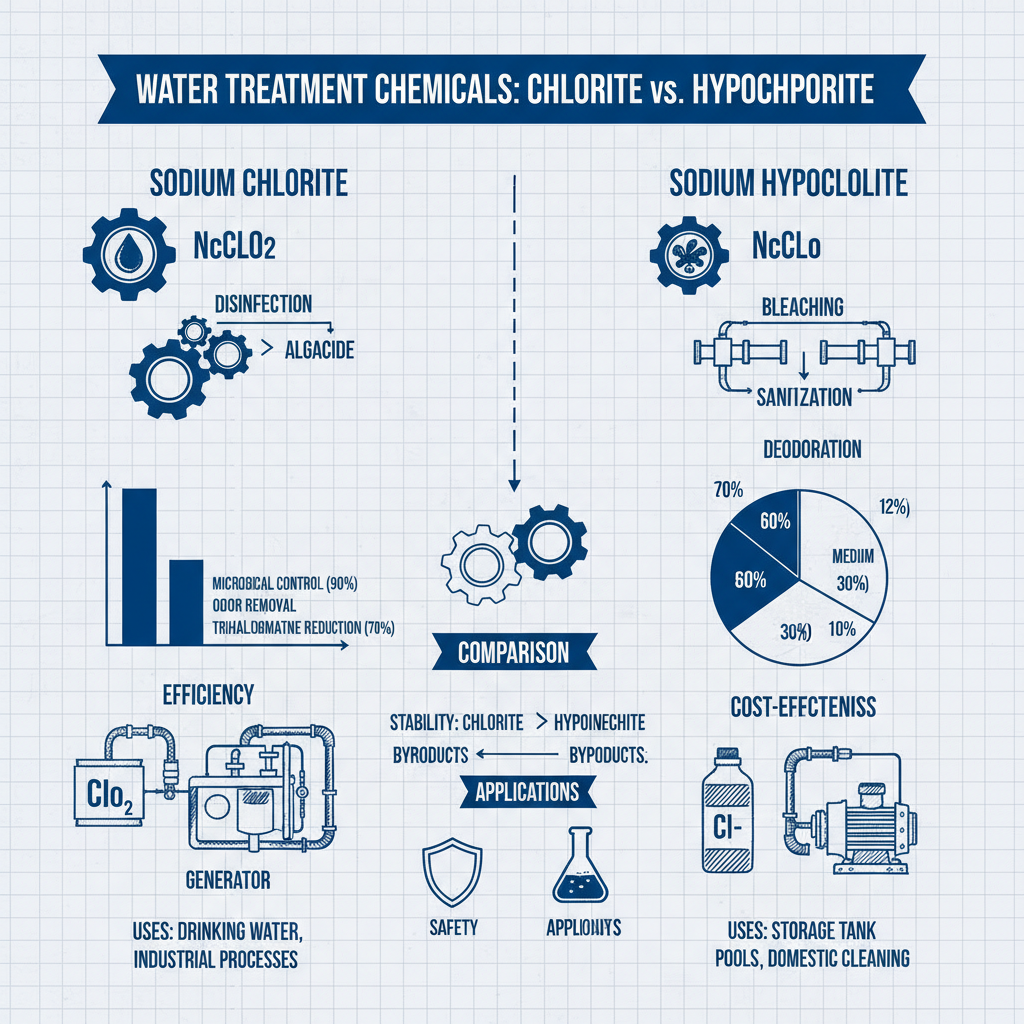
When navigating the complexities of industrial disinfection and chemical synthesis, the debate of sodium chlorite vs sodium hypochlorite often surfaces as a critical decision for plant managers and chemists. Both compounds are powerful oxidizing agents, yet they operate through different chemical pathways and offer distinct advantages depending on the specific application, from water treatment to textile bleaching.
Understanding the nuances between these two chlorine-based chemicals is not merely a technical exercise but a strategic necessity for optimizing operational efficiency and safety. While one may offer rapid action and low cost, the other often provides superior stability and a more targeted oxidative profile, reducing unwanted by-products in sensitive environments.
Globally, the demand for high-efficacy disinfectants has surged, making the comparison of sodium chlorite vs sodium hypochlorite more relevant than ever. By analyzing their molecular behavior, cost-effectiveness, and environmental impact, industries can ensure they are employing the most sustainable and potent solution for their specific needs in agrochemicals or water purification.
Chemical Profiles and Fundamental Differences
To understand the dynamic of sodium chlorite vs sodium hypochlorite, we must first look at their chemical structures. Sodium hypochlorite (NaOCl) is the active ingredient in common bleach, existing as a strong base that releases hypochlorous acid upon dilution. It is renowned for its immediate, aggressive oxidative action, making it a staple in rapid disinfection.
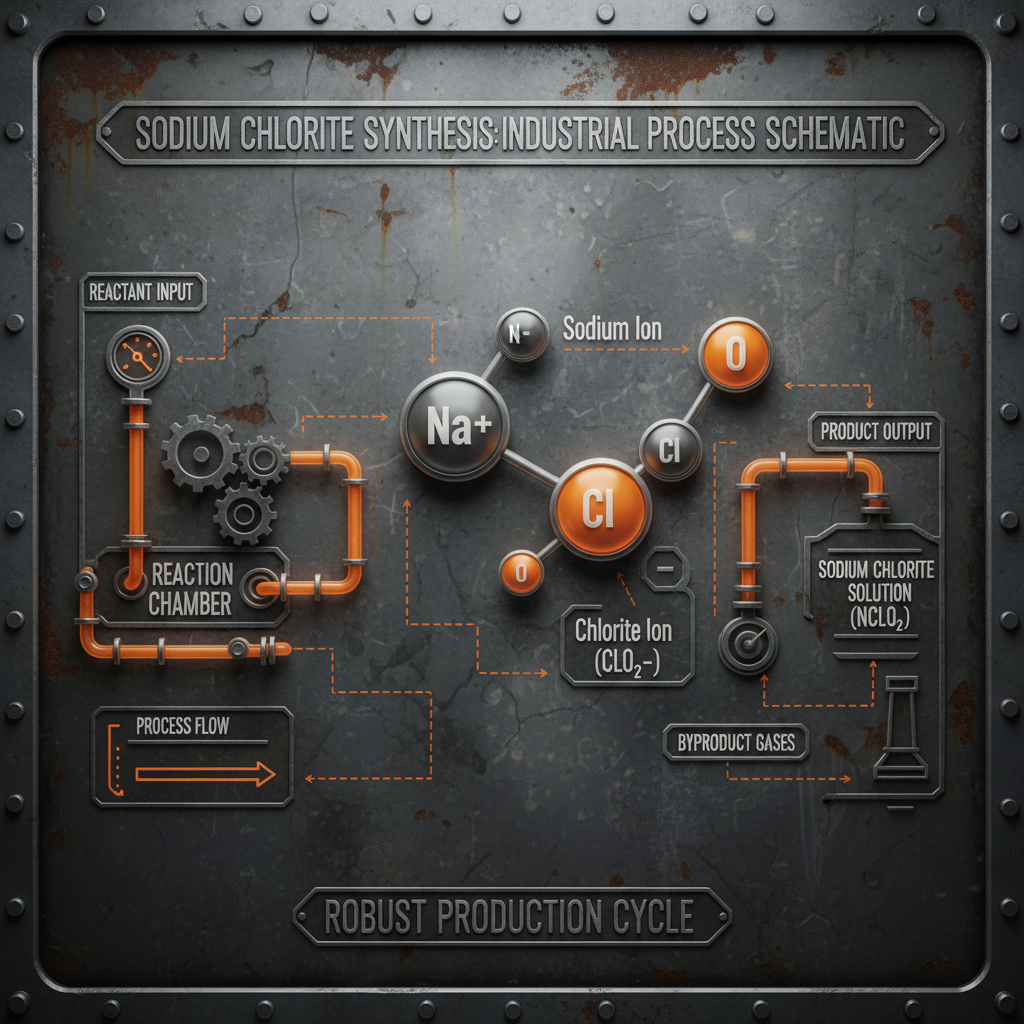
In contrast, sodium chlorite (NaClO2) is a precursor to chlorine dioxide (ClO2), one of the most potent disinfectants known to industrial science. Unlike hypochlorite, chlorite does not act as the primary agent itself but is typically activated by an acid or catalyst to generate a gas that penetrates biofilms and organic matter more effectively than liquid bleach ever could.
Oxidative Power and Reaction Mechanisms
The core of the sodium chlorite vs sodium hypochlorite comparison lies in how they destroy pathogens and organic contaminants. Sodium hypochlorite works primarily through the oxidation of cellular membranes and proteins, which is highly effective for surface cleaning but can be hindered by the presence of organic loads, which "consume" the bleach before it reaches the target.
Sodium chlorite, when converted to chlorine dioxide, operates via a one-electron exchange mechanism. This is a more selective process than the reactions triggered by hypochlorite. It targets specific amino acids like cysteine and tyrosine, allowing it to maintain high efficacy even in the presence of high organic turbidity, which is a common challenge in water treatment plants.
Furthermore, the pH dependence varies significantly. Sodium hypochlorite is most effective in slightly acidic to neutral ranges, whereas the chlorine dioxide generated from sodium chlorite remains stable and effective across a much broader pH spectrum (from 4 to 10), providing unmatched versatility in complex industrial fluid systems.
Operational Stability and Storage Requirements
When discussing the logistics of sodium chlorite vs sodium hypochlorite, stability is a primary concern. Sodium hypochlorite is notoriously unstable; it decomposes over time due to heat, light, and the presence of trace metals, leading to a steady loss of active chlorine concentration that requires frequent monitoring and replenishment.
Sodium chlorite, however, is far more stable in its concentrated salt form. While it requires careful handling to avoid contact with incompatible organic materials, its shelf life is significantly longer than that of liquid bleach. This makes it a superior choice for remote industrial zones where supply chains are inconsistent and long-term storage is required.
Ultimately, the choice between sodium chlorite vs sodium hypochlorite depends on the facility's infrastructure. Those with high-turnover systems may prefer the simplicity of hypochlorite, while those prioritizing consistency and reduced waste often pivot toward chlorite-based systems for their long-term reliability.
Cost Efficiency and Economic Scalability
From a pure procurement standpoint, sodium hypochlorite is generally the cheaper option per kilogram. For basic sanitation and low-requirement bleaching, the cost-to-performance ratio of sodium hypochlorite is hard to beat, which explains its dominance in the daily chemicals sector.
However, when we analyze sodium chlorite vs sodium hypochlorite in terms of "effective dose," the narrative changes. Because sodium chlorite (via chlorine dioxide) is more potent and less affected by organic interference, smaller quantities are often required to achieve the same log-reduction of pathogens, potentially lowering the total cost of ownership.
Performance Metrics: Sodium Chlorite vs Sodium Hypochlorite
Industrial Applications Across Global Sectors
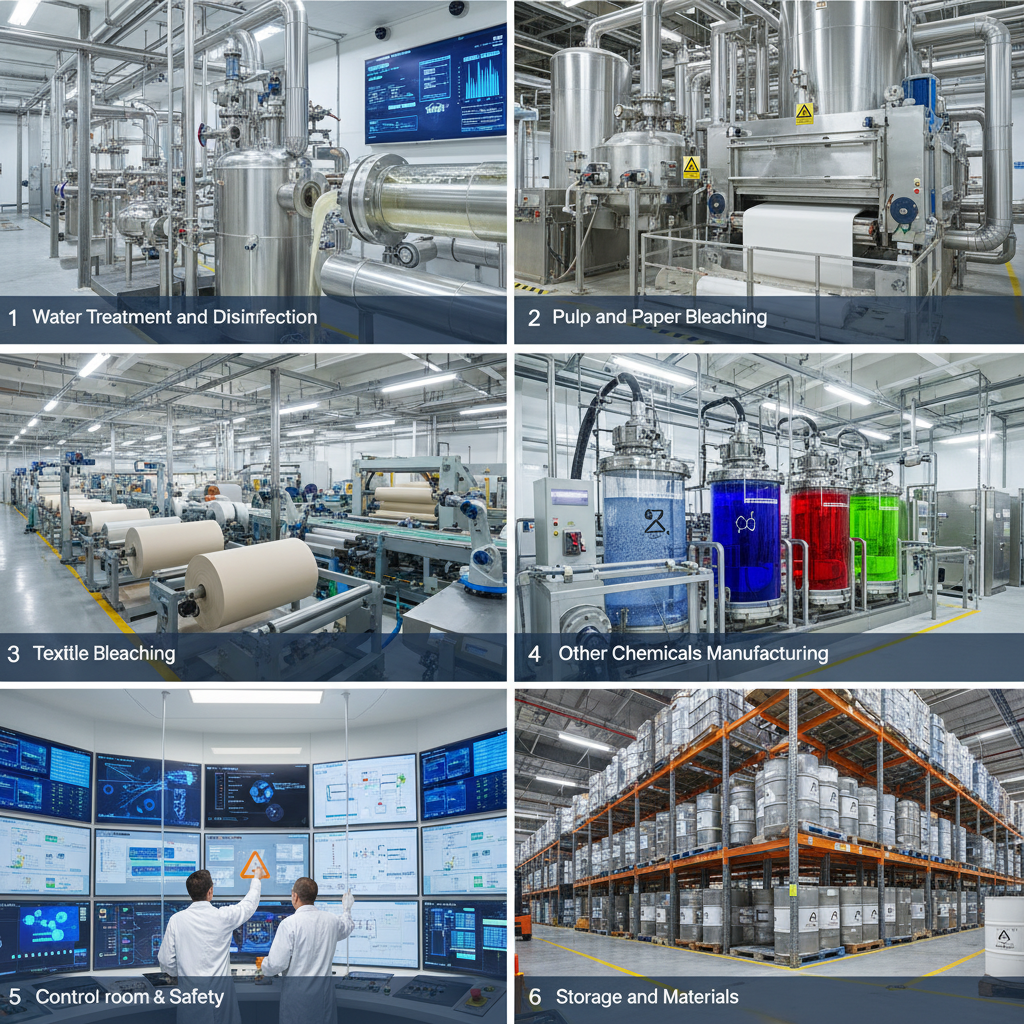
The practical application of sodium chlorite vs sodium hypochlorite varies by region and industry. In the agrochemical sector, sodium hypochlorite is frequently used for basic equipment sterilization. However, for the treatment of cooling towers and industrial water systems, sodium chlorite is preferred because it prevents the buildup of slime and biofilm that hypochlorite often fails to penetrate.
In the paint and fireworks chemicals industry, precise oxidative control is essential. Sodium chlorite offers a more controlled reaction pathway, reducing the risk of over-oxidation of sensitive organic pigments. Meanwhile, in large-scale municipal water treatment in developing regions, sodium hypochlorite remains the gold standard due to its ease of deployment and familiarity among local operators.
Environmental Impact and By-product Analysis
One of the most significant considerations in the sodium chlorite vs sodium hypochlorite debate is the formation of disinfection by-products (DBPs). Sodium hypochlorite reacts with organic matter to form trihalomethanes (THMs) and haloacetic acids, many of which are regulated by health organizations like the WHO due to their potential carcinogenicity.
Sodium chlorite, through the production of chlorine dioxide, does not produce THMs. This makes it a significantly "greener" choice for drinking water treatment and food-contact surface disinfection. The reduction in toxic by-products not only ensures compliance with stringent ISO environmental standards but also enhances the safety profile for the end consumer.
Despite this, sodium chlorite requires a more sophisticated activation process. If not managed correctly, residual chlorite ions can remain in the water, which requires monitoring to ensure they stay below permissible limits. Thus, while the chemical profile is cleaner, the operational oversight must be more rigorous.
Future Innovations in Oxidative Chemistry
Looking ahead, the evolution of sodium chlorite vs sodium hypochlorite is being shaped by the push for "Green Chemistry." We are seeing the emergence of on-site generation systems for chlorine dioxide (derived from sodium chlorite), which eliminate the need for transporting hazardous chemicals and reduce the carbon footprint of the supply chain.
Digital transformation is also playing a role. Smart dosing systems now utilize real-time sensors to adjust the concentration of these oxidants based on the actual organic load of the water. This prevents the over-use of chemicals and optimizes the economic benefit of choosing one agent over the other.
As global regulations tighten regarding halogenated by-products, the industry is likely to shift further toward chlorite-based systems. The integration of automation and sustainable sourcing will make the high-efficiency profile of sodium chlorite more accessible to small and medium-sized enterprises.
Comparative Technical Analysis: Sodium Chlorite vs Sodium Hypochlorite
| Parameter |
Sodium Hypochlorite |
Sodium Chlorite (as ClO2) |
Industry Preference |
| By-product Formation |
High THM formation |
Minimal to no THMs |
Water Treatment |
| Biofilm Penetration |
Moderate/Low |
Very High |
Mining & Cooling |
| Storage Stability |
Low (Degrades quickly) |
High (As salt) |
Remote Logistics |
| pH Versatility |
Narrow (Best
|
Wide (4 to 10) |
Chemical Mfg |
| Initial Cost |
Very Low |
Moderate |
Daily Chemicals |
| Activation Need |
Direct use |
Requires activator |
Specialized Labs |
FAQS
In the comparison of sodium chlorite vs sodium hypochlorite, sodium chlorite (when activated to chlorine dioxide) is vastly superior for biofilm removal. While hypochlorite is often blocked by the outer slime layer of a biofilm, chlorine dioxide is a smaller, non-polar molecule that penetrates the organic matrix to kill bacteria at the source.
Sodium hypochlorite is more common and generally perceived as simpler to handle for basic tasks. However, sodium chlorite in salt form is more stable. The main risk with chlorite is the activation phase, where it must be kept away from organic contaminants to prevent spontaneous combustion or gas release. Both require professional PPE.
Yes. Sodium hypochlorite often leaves a distinct "chlorine" smell and taste due to the formation of chloramines. Sodium chlorite, via chlorine dioxide, produces far fewer taste-and-odor compounds, making it a preferred choice for high-end potable water treatment systems.
Not directly. Sodium hypochlorite is an active oxidant on its own. Sodium chlorite is a precursor; it requires an activator (like citric acid or sodium bisulfite) to become an effective disinfectant. You cannot simply swap the liquids without adjusting your dosing system.
Sodium chlorite is generally more eco-friendly because it does not produce trihalomethanes (THMs), which are persistent environmental pollutants. This makes it easier for facilities to meet strict environmental discharge permits compared to using sodium hypochlorite.
Temperature has a devastating effect on sodium hypochlorite, causing it to decompose rapidly in heat. Sodium chlorite is significantly more resilient to temperature fluctuations, provided it is stored in a cool, dry place away from combustible materials.
Conclusion
The decision between sodium chlorite vs sodium hypochlorite ultimately hinges on the balance between immediate cost and long-term operational value. While sodium hypochlorite offers an affordable, rapid-action solution for simple disinfection, sodium chlorite provides a sophisticated, stable, and environmentally responsible alternative that excels in complex industrial environments, particularly where biofilms and strict by-product regulations are concerns.
As the global chemical industry moves toward more sustainable and precise methodologies, adopting chlorite-based systems represents a strategic upgrade in safety and efficiency. We recommend a thorough audit of your current water quality and organic load to determine which agent will provide the highest ROI for your specific application. For premium chemical solutions and technical support, visit our website: www.fizachem.com.cn