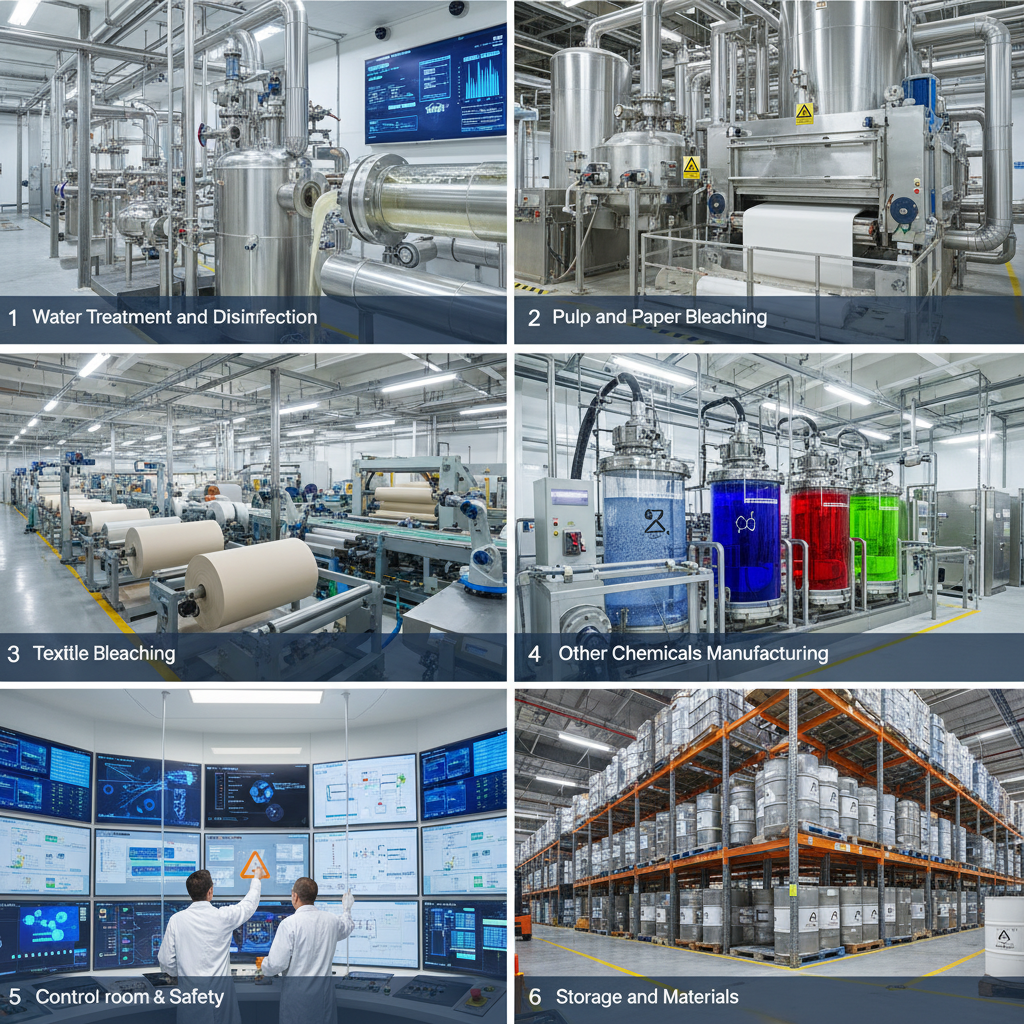
Sodium chlorite is a powerful oxidizing agent that has become indispensable across various industrial sectors, from textile bleaching to sophisticated water purification. Understanding the diverse sodium chlorite uses allows manufacturers to optimize their chemical processes, ensuring higher efficiency and superior product purity while maintaining strict safety standards.
Globally, the demand for high-purity chlorite salts is driven by the need for sustainable disinfection and the evolving requirements of the pulp and paper industry. By leveraging the specific chemical properties of sodium chlorite, industries can replace more harsh or less effective oxidants, thereby reducing environmental impact and improving operational safety.
Whether utilized in the generation of chlorine dioxide or as a direct bleaching agent, the versatility of sodium chlorite uses spans across agrochemicals, daily chemical production, and critical water treatment infrastructure, making it a cornerstone of modern industrial chemistry.
Global Industrial Context of Sodium Chlorite Uses
In the current global chemical landscape, sodium chlorite uses are increasingly critical as industries shift toward "green chemistry." According to global industrial standards and ISO guidelines, the transition from elemental chlorine to chlorine dioxide (generated via sodium chlorite) has significantly reduced the production of toxic organochlorine compounds in the pulp and paper sector.
This shift addresses a major environmental challenge: the contamination of waterways with dioxins. By integrating sodium chlorite into their workflows, companies in North America, Europe, and Asia have been able to meet stringent environmental regulations while maintaining the high whitening standards required for commercial-grade paper and textiles.
Defining the Mechanism of Sodium Chlorite Uses
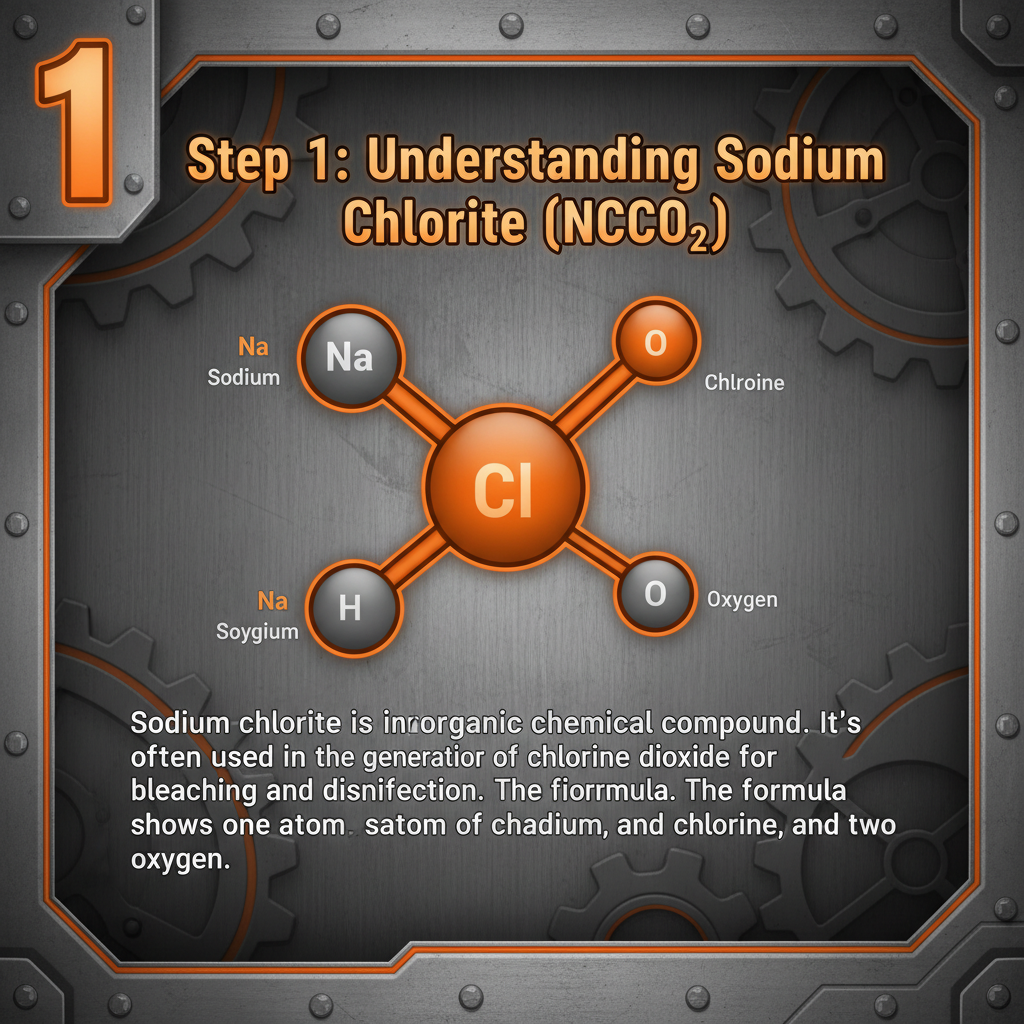
At its core, sodium chlorite (NaClO2) serves as a precursor to chlorine dioxide (ClO2). The primary essence of sodium chlorite uses lies in its ability to act as a powerful yet selective oxidant. Unlike traditional bleach, it does not react as aggressively with cellulose, which allows for the brightening of materials without destroying the structural integrity of the fibers.
From a humanitarian perspective, this chemical is vital for providing safe drinking water in remote or disaster-stricken areas. When activated, it creates a potent disinfectant that eliminates a wide spectrum of bacteria, viruses, and protozoa, bridging the gap between underdeveloped infrastructure and the basic human right to clean water.
In modern industry, this chemical mechanism is leveraged to ensure sterile environments in food processing and pharmaceutical manufacturing. The controlled release of oxidizing power ensures that surfaces are free from bio-films, preventing costly product recalls and safeguarding public health.
Core Components Influencing Sodium Chlorite Uses
One of the most critical factors in sodium chlorite uses is Concentration Stability. Depending on whether the product is used as a liquid solution or a crystalline powder, the stability of the chlorite ion determines the dosage accuracy and the subsequent effectiveness of the disinfection or bleaching process.
Activation Efficiency is another core pillar. For sodium chlorite to be effective in water treatment, it must be activated by an acid or a catalyst. The choice of activator—whether it be citric acid, hydrochloric acid, or sodium bisulfite—directly impacts the speed of chlorine dioxide generation and the overall cost-efficiency of the operation.
Finally, Material Compatibility plays a huge role. Because it is a strong oxidant, the equipment used in sodium chlorite uses must be constructed from corrosion-resistant materials such as HDPE, PVDF, or specific grades of stainless steel to prevent system failure and ensure long-term operational safety.
Diverse Global Applications and Use Cases
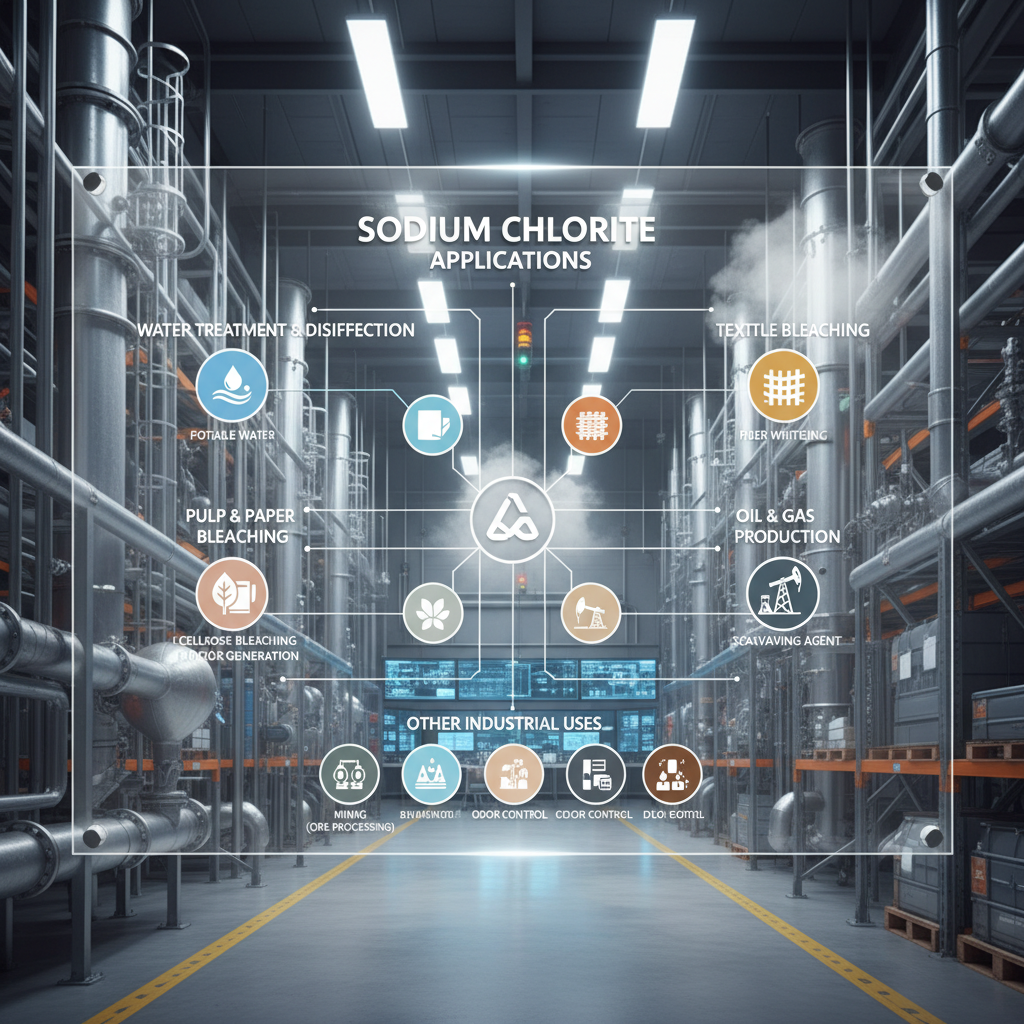
The practical application of sodium chlorite uses extends far beyond simple bleaching. In the mining industry, specifically in the extraction of gold and other precious metals, it is used as an oxidation agent to treat ores. In the agrochemical sector, it helps in the synthesis of specific pesticides and herbicides, ensuring high purity and active ingredient stability.
In real-world contexts, such as municipal water treatment plants in Southeast Asia or cooling tower maintenance in Middle Eastern industrial zones, sodium chlorite is the preferred choice for eliminating Legionella and other water-borne pathogens. Its ability to penetrate bio-films makes it far more effective than standard chlorine gas in these high-stakes environments.
Efficiency Analysis of Different Sodium Chlorite Uses
Long-term Value and Advantages of Implementation
The long-term value of adopting sodium chlorite uses is primarily found in the balance between potency and sustainability. Logically, the reduction in toxic by-products leads to lower waste-treatment costs and a reduced risk of environmental fines. From a corporate social responsibility (CSR) angle, using a cleaner oxidant enhances brand trust and demonstrates a commitment to ecological preservation.
Furthermore, the reliability of sodium chlorite in achieving total sterilization provides peace of mind for operators in the daily chemicals and water treatment sectors. This innovation in chemical application doesn't just save money; it saves lives by ensuring that the water we drink and the products we use in our homes are free from harmful microbial contamination.
Future Trends in Sodium Chlorite Technology
Looking ahead, the evolution of sodium chlorite uses is moving toward automation and precision dosing. We are seeing a rise in "smart" generators that use IoT sensors to monitor water quality in real-time, adjusting the sodium chlorite feed automatically to maintain optimal chlorine dioxide levels without wasting chemicals.
Sustainability is also driving the development of more concentrated, stable formulations that reduce the carbon footprint associated with transportation. There is an industry-wide push toward "zero-waste" loops where the by-products of the chlorite reaction are recaptured and repurposed, further aligning the process with circular economy principles.
Additionally, the integration of sodium chlorite into advanced membrane filtration systems is being explored. By combining chemical oxidation with physical filtration, industries can achieve an unprecedented level of purity in water treatment, potentially eliminating the need for more hazardous chemicals entirely.
Challenges and Expert Solutions in Application
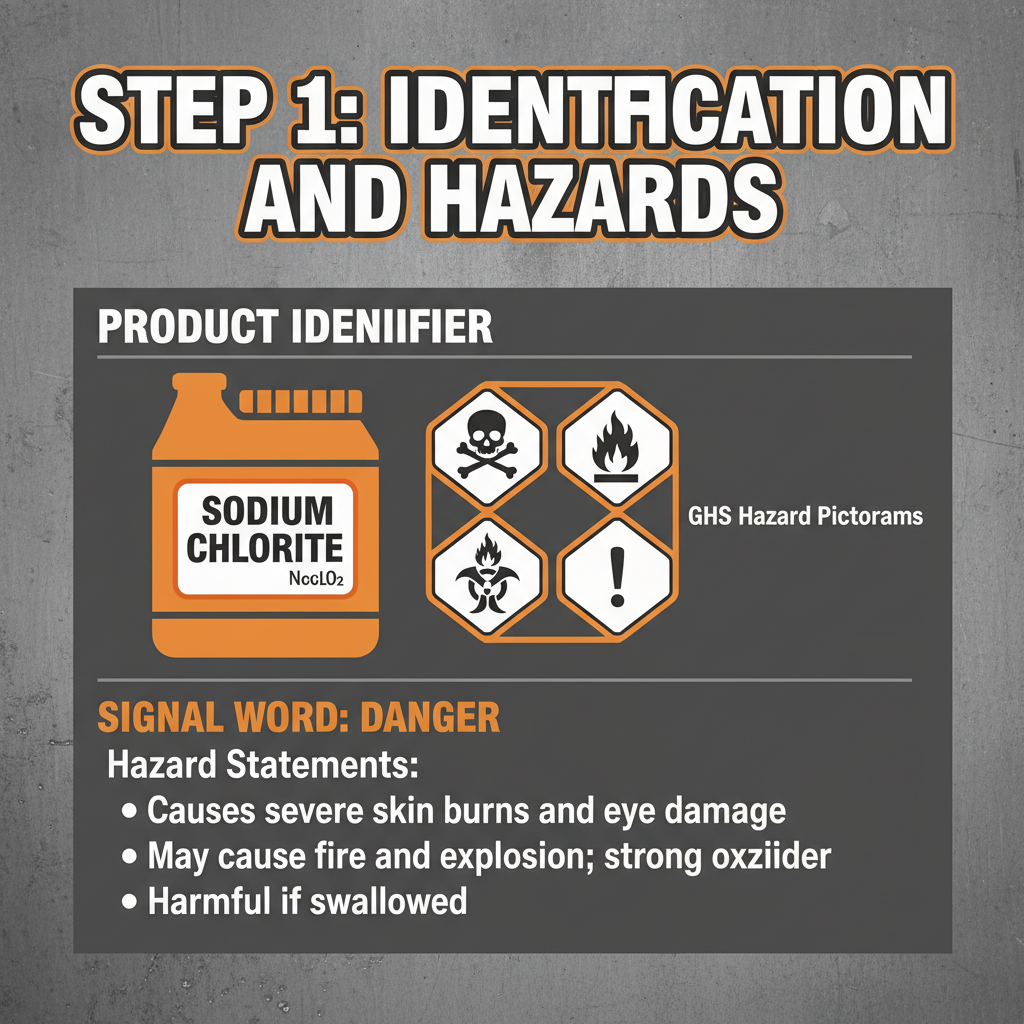
Despite the benefits, sodium chlorite uses come with challenges, primarily regarding safe handling and storage. Sodium chlorite is a strong oxidizer and can react violently with organic materials or acids if not managed correctly. This requires specialized staff training and the installation of rigorous containment systems.
Another common limitation is the sensitivity of the activation process to temperature and pH levels. If the environment is too acidic or too basic, the yield of chlorine dioxide drops significantly, leading to inefficient disinfection. Expert insight suggests the use of automated pH-buffering systems to ensure a consistent chemical reaction regardless of the feedstock quality.
To overcome these hurdles, we recommend the adoption of closed-loop delivery systems that minimize human exposure and the use of stabilized liquid blends that are less prone to accidental decomposition. By implementing these innovative approaches, companies can maximize the utility of sodium chlorite while virtually eliminating the risks associated with its use.
Comparison of Sodium Chlorite Application across Different Industrial Sectors
| Industrial Sector |
Primary Function |
Effectiveness (1-10) |
Environmental Impact |
| Water Treatment |
Pathogen Eradication |
10 |
Low (Eco-friendly) |
| Pulp & Paper |
Selective Bleaching |
9 |
Moderate |
| Textiles |
Fabric Whitening |
8 |
Low |
| Mining |
Ore Leaching |
7 |
Moderate |
| Food Industry |
Surface Sterilization |
9 |
Very Low |
| Daily Chemicals |
Oxidizing Agent |
8 |
Low |
FAQS
In water treatment, sodium chlorite is primarily used to generate chlorine dioxide (ClO2). This is highly effective for removing odors, tastes, and harmful microorganisms from drinking water. Unlike chlorine gas, it doesn't produce trihalomethanes (THMs), making it a safer and more environmentally friendly option for municipal water systems and industrial cooling towers.
Yes, sodium chlorite is generally considered safer for the integrity of the fabric. Because it acts as a selective oxidant, it removes impurities and colors without degrading the cellulose fibers as severely as sodium hypochlorite (standard bleach) does. This results in a brighter white with less fabric wear and tear over time.
Sodium chlorite must be stored in a cool, dry, and well-ventilated area, far away from organic materials, acids, and flammable substances. It should be kept in original, airtight containers made of compatible materials like HDPE. Proper labeling and the use of secondary containment trays are essential to prevent accidental spills and hazardous reactions.
Absolutely. It is widely used for the sterilization of equipment, pipelines, and surfaces in food processing plants. By generating chlorine dioxide, it effectively kills bacteria and molds that cause spoilage. However, it must be used in accordance with food-grade regulations and thoroughly rinsed where necessary to ensure no residue remains on food contact surfaces.
While they sound similar, they have different chemical structures and uses. Sodium chlorite (NaClO2) is primarily used for disinfection and bleaching via ClO2 generation. Sodium chlorate (NaClO3) is a stronger oxidant used more commonly as a herbicide or in the production of other chemicals. They are not interchangeable and have different safety profiles.
To optimize yield, you must precisely control the pH level and the ratio of the activator. Using a buffering agent to keep the pH in the optimal range (usually slightly acidic) and ensuring the sodium chlorite solution is well-mixed with the activator will maximize the conversion rate and efficiency of the process.
Conclusion
In summary, sodium chlorite uses are fundamental to a wide array of industrial processes, providing a high-efficiency, selective oxidation solution that balances commercial productivity with environmental responsibility. From ensuring the safety of global water supplies to enhancing the quality of textiles and paper, this versatile chemical remains a key driver of industrial innovation and hygiene.
As we move toward a more sustainable future, the continued optimization of sodium chlorite application—through automation, green chemistry, and rigorous safety protocols—will be essential. For companies looking to enhance their operational efficiency and sustainability, investing in high-purity sodium chlorite and modern dosing technology is a strategic imperative. Visit our website for more professional solutions: www.fizachem.com.cn