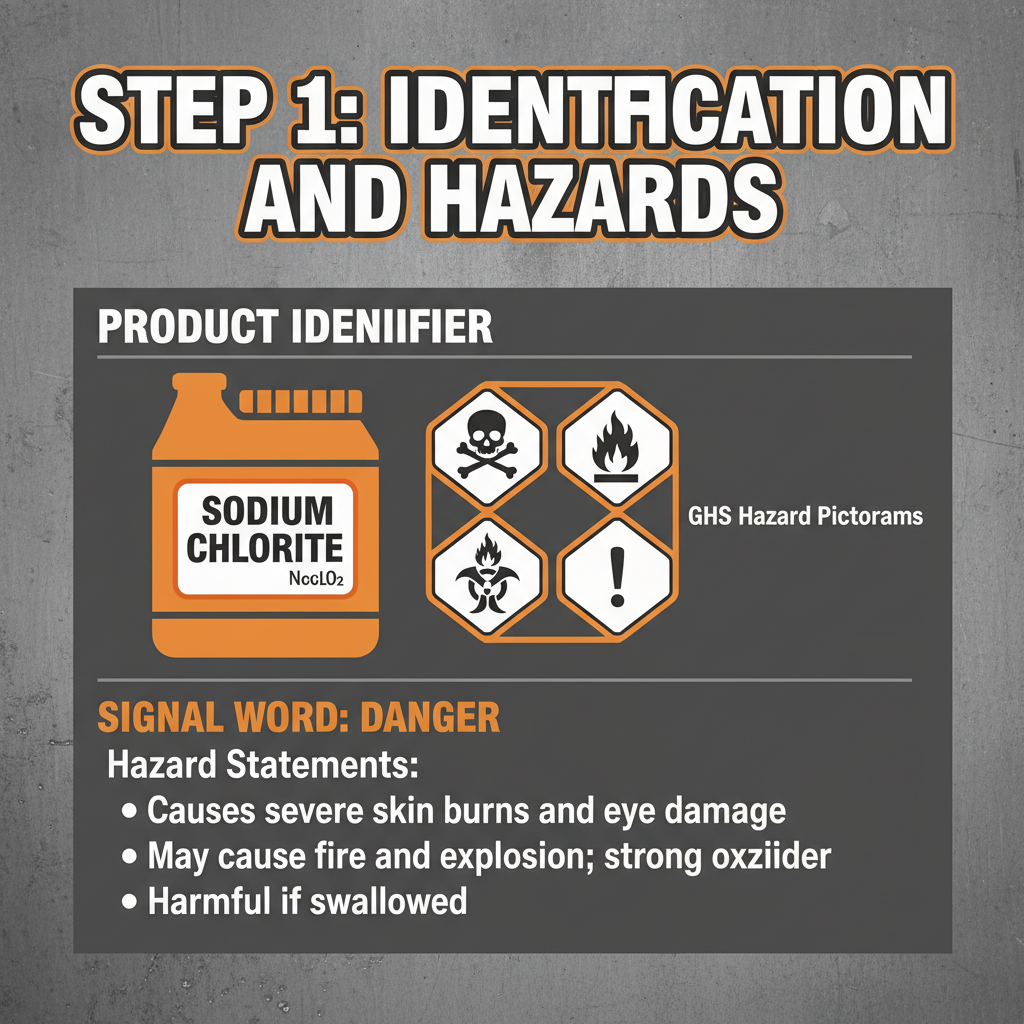
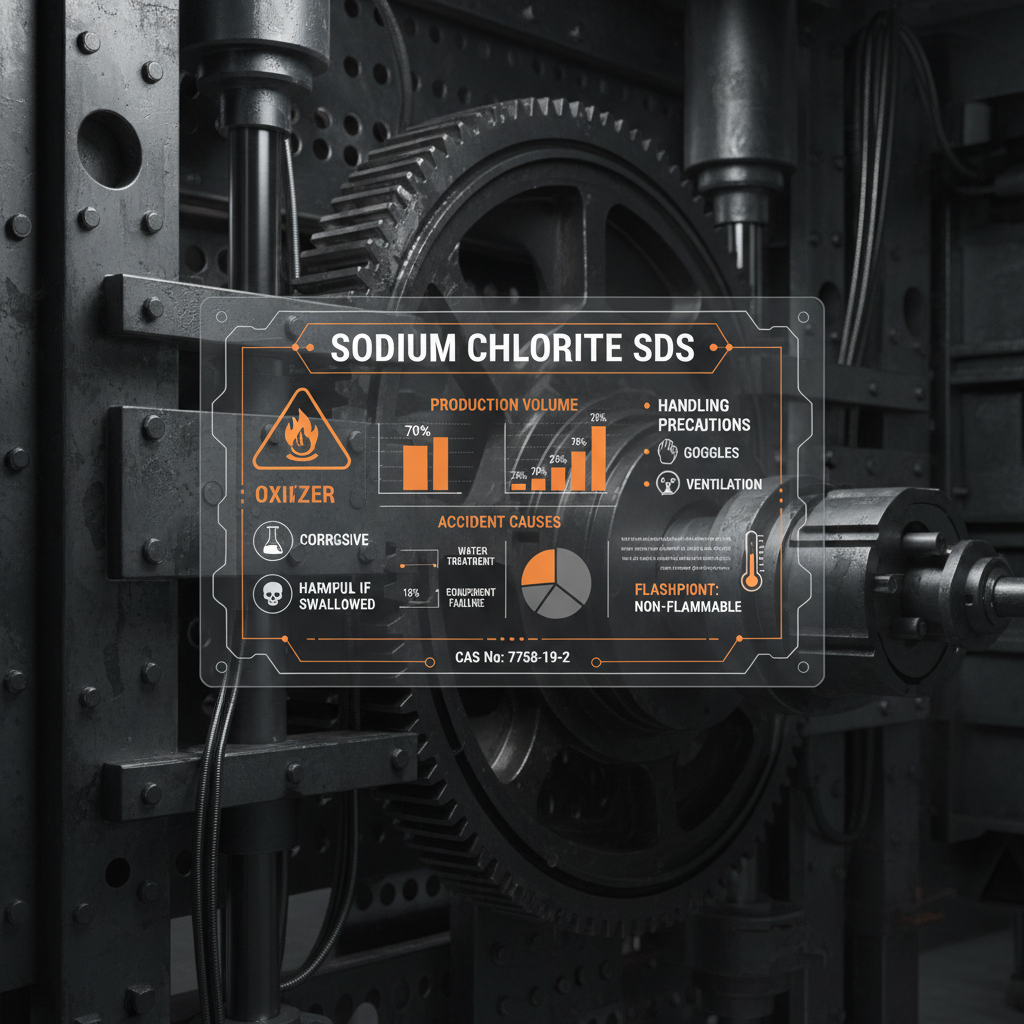
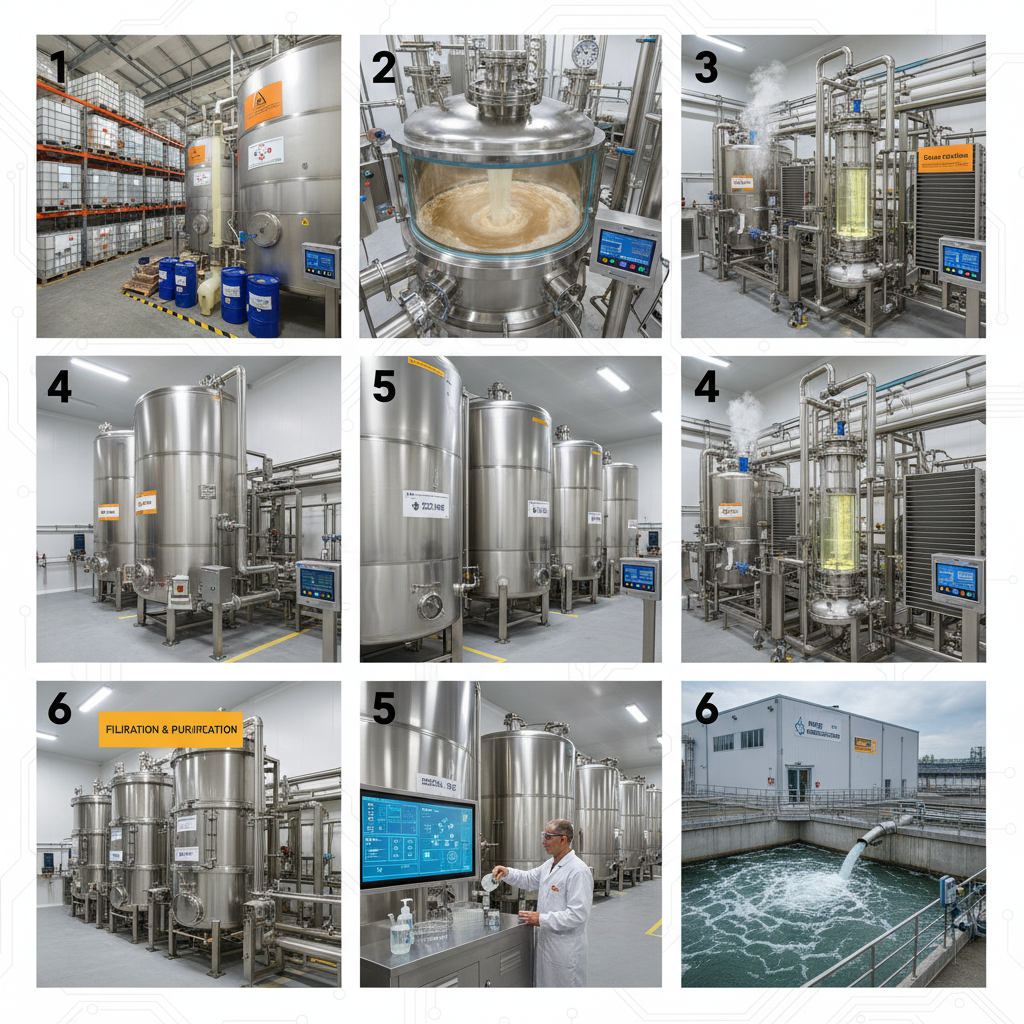
Sodium chlorite SDS – it’s more than just a document stuffed with regulations. After years on construction sites, mixing with engineers, and breathing in dust, I can tell you understanding this sheet isn’t about ticking boxes; it’s about keeping people safe, projects running smoothly, and avoiding headaches down the line. It impacts everything from how we store and handle materials to emergency response procedures. Knowing your sodium chlorite SDS inside and out is fundamental, especially with its increasing use in water treatment and industrial cleaning applications.
We’re seeing a growing demand for sodium chlorite in various sectors, from disinfecting drinking water supplies to controlling odors in wastewater treatment. This wider application means more people are coming into contact with the chemical, and it's crucial they know the hazards and how to mitigate them. A lot of folks treat SDS sheets as purely compliance documents, but they’re really a practical guide for handling a potentially dangerous substance—something I’ve seen firsthand result in serious setbacks when ignored.
Honestly, a properly understood and implemented sodium chlorite SDS can be the difference between a successful project and a costly, reputation-damaging incident. It’s a proactive measure that protects workers, the environment, and ultimately, the bottom line.
The Importance of Sodium Chlorite SDS
Look, every site has its hazards, but knowing what you’re dealing with – chemically, physically – that’s half the battle. A Sodium Chlorite SDS isn't just a list of warnings; it's a lifeline. It tells you how the chemical reacts with other substances, the proper PPE needed, and what to do in an emergency. I've seen a lot of near misses avoided simply because someone took the time to read and understand the SDS. sodium chlorite sds is crucial to risk assessment.
It's about more than compliance, it's about creating a safety culture. If everyone on site understands the SDS, they’re empowered to identify and address potential risks before they become problems. That's a huge win for everyone involved.
Understanding the Global Context
Sodium chlorite is used globally in everything from municipal water treatment, where the World Health Organization has guidelines for its use, to specialized industrial applications. The demand is driven by increasing concerns about water quality and sanitation, particularly in developing nations. According to UN reports, access to safe drinking water is still a major challenge for billions. This pushes the need for effective disinfectants like sodium chlorite, but also highlights the importance of safe handling and proper SDS adherence.
Regulations surrounding chemical handling and SDS requirements vary by country. The Globally Harmonized System (GHS) aims to standardize these regulations, but implementation is uneven. ISO standards also play a role, particularly in quality control and manufacturing processes. This means a sodium chlorite SDS needs to be tailored to the specific region where it’s being used, taking into account local laws and regulations.
The increasing international trade of chemicals also means that proper SDS documentation and translation are essential to avoid misunderstandings and potential hazards. A mislabeled or poorly translated SDS can have devastating consequences.
Defining Sodium Chlorite SDS
Simply put, a Sodium Chlorite SDS – or Safety Data Sheet – is a detailed document outlining the properties of sodium chlorite, including its hazards, safe handling procedures, and emergency measures. It's a standardized format required by regulations like OSHA in the US and REACH in Europe, designed to provide comprehensive information to anyone who handles or comes into contact with the chemical.
It's a connection between modern industry and essential needs. From ensuring potable water in remote communities to maintaining hygiene in hospitals, sodium chlorite plays a vital role. The SDS is the key to safely and effectively harnessing its benefits. It’s not a legal formality, it’s a practical manual for responsible chemical management.
Think of it as the chemical’s biography – everything you need to know to work with it safely. And it’s not static! SDS sheets are updated regularly as new information becomes available, so it’s vital to have the most current version.
Core Components of a Sodium Chlorite SDS
A good SDS isn’t just a long list of warnings; it’s logically organized. You’ve got your identification section, detailing the chemical's name and supplier information. Then come hazard identification, outlining the risks – like skin irritation or oxidation potential. Composition/information on ingredients is crucial for understanding what you're dealing with.
First aid measures, firefighting measures, accidental release measures – these sections provide step-by-step guidance in emergency situations. Handling and storage instructions are critical to prevent incidents. Exposure controls/personal protection details the PPE required. And finally, physical and chemical properties, stability and reactivity, toxicological information, ecological information, disposal considerations, transport information, and regulatory information. Each section is important.
Sodium Chlorite SDS Component Importance
Global Applications and Use Cases
Sodium chlorite is vital in water purification, especially in treating water contaminated with microorganisms. In post-disaster relief operations, it's often used to quickly disinfect water supplies, preventing outbreaks of waterborne diseases. You'll find it in pulp and paper bleaching, textile processing, and even as a disinfectant in the food industry.
In remote industrial zones where access to advanced wastewater treatment facilities is limited, sodium chlorite is used to control odors and reduce the biological oxygen demand in wastewater. Its effectiveness in these applications makes it a preferred choice for many operations.
Advantages and Long-Term Value
Using sodium chlorite correctly, guided by the SDS, minimizes risks, boosts operational efficiency, and lowers long-term costs associated with incidents and environmental cleanup. The right PPE, outlined in the SDS, reduces worker compensation claims and improves morale.
Beyond the tangible benefits, there's a sense of trust and responsibility that comes with prioritizing safety. Following the guidelines in the sodium chlorite SDS demonstrates a commitment to employee well-being and environmental stewardship, building a stronger reputation for your organization.
Future Trends and Innovations
We're seeing advancements in monitoring technologies that allow for real-time detection of sodium chlorite levels, improving safety and control. There's also research into more sustainable production methods and formulations to reduce the chemical's environmental impact.
Digital SDS management systems are becoming more prevalent, allowing for easy access to the latest information and automated updates. These systems can be integrated with safety training programs, ensuring that workers are always up-to-date on the latest best practices.
The drive for greater sustainability will likely lead to innovations in how sodium chlorite is used, potentially reducing its overall consumption and minimizing waste.
Summary of Key Factors Affecting Sodium Chlorite SDS Compliance
| Regulatory Compliance |
Training Effectiveness |
SDS Accessibility |
Emergency Preparedness |
| Level of adherence to local and international regulations (OSHA, REACH, GHS). |
Effectiveness of employee training programs on SDS interpretation and safe handling. |
Ease of access to current SDS documents for all personnel. |
Adequacy of emergency response plans based on SDS information. |
| Rating (1-10): 9 |
Rating (1-10): 7 |
Rating (1-10): 8 |
Rating (1-10): 9 |
| Consistent updates to reflect regulatory changes. |
Regular refresher training and assessments. |
Digital SDS management systems with mobile access. |
Regular drills and simulations. |
| Implementation of a robust audit trail. |
Tracking employee comprehension and feedback. |
Version control and document history. |
Coordination with local emergency services. |
| Proactive identification of potential compliance gaps. |
Tailoring training to specific job roles. |
Multi-language support. |
Availability of spill containment and cleanup equipment. |
| Documentation of all compliance activities. |
Documentation of training records. |
Automatic update notifications. |
Post-incident review and analysis. |
FAQS
An SDS doesn’t have a fixed lifespan, but it must be updated whenever new information regarding the chemical’s hazards or safe handling procedures becomes available. Manufacturers are legally obligated to review and revise SDS sheets at least every three years, and whenever significant changes occur. It’s crucial to always use the most current version available, as outdated information can compromise safety.
The SDS will specify the required PPE, but generally, this includes chemical-resistant gloves, safety goggles or a face shield, and appropriate respiratory protection if there’s a risk of inhaling dust or fumes. Depending on the concentration and application, you may also need a chemical-resistant apron or suit. It’s vital to consult the SDS for specific recommendations and ensure that all PPE is properly fitted and maintained.
The SDS outlines the procedures for handling spills. Generally, this involves containing the spill, preventing it from entering drains or waterways, and cleaning it up using appropriate absorbent materials. You'll need to wear the recommended PPE during cleanup and dispose of the contaminated materials according to local regulations. Reporting the spill to the appropriate authorities may also be required.
Sodium chlorite should be stored in a cool, dry, well-ventilated area, away from incompatible materials like acids, bases, and organic compounds. It’s crucial to keep it in a tightly closed container and protect it from direct sunlight and heat. Proper storage prevents decomposition and reduces the risk of hazardous reactions. The SDS details specific storage requirements and incompatibilities.
Absolutely not! Mixing sodium chlorite with other cleaning products, especially those containing acids or ammonia, can create dangerous and potentially deadly gases. The SDS explicitly lists incompatible materials. Always use sodium chlorite as a standalone solution, or carefully follow the manufacturer’s instructions if it’s part of a pre-formulated blend. Never assume compatibility.
The most reliable source for the SDS is directly from the chemical manufacturer or supplier. Many manufacturers provide SDS sheets online on their websites. You can also access SDS databases, but always verify the document's date and ensure it corresponds to the specific product you are using. sodium chlorite sds offers a comprehensive resource.
Conclusion
Ultimately, the sodium chlorite SDS isn't just a piece of paper – it's a practical guide for safe and responsible chemical handling. From understanding the inherent hazards to implementing appropriate control measures, the SDS is the cornerstone of any effective safety program. It protects workers, safeguards the environment, and ensures the long-term success of any operation involving this versatile chemical.
Investing in comprehensive SDS training and making these documents readily accessible is not just a regulatory requirement, it's a smart business decision. Prioritizing safety builds trust, enhances reputation, and ultimately, contributes to a more sustainable and responsible industry. For more information and access to SDS resources, visit our website: www.fizachem.com.cn.